
A 5-Minute Deep Dive into the Audiovisual Translation Subtitling Masterclass
Published on December 25, 2025
Ever wonder why your translated subtitles feel amateurish? They often suffer from awkward phrasing and messy timing. The gap between knowing a language and producing professional work is immense. You can bridge this challenge only by mastering the specific discipline of audiovisual translation subtitling.

It is a field where technical precision matters as much as linguistic skill. Many talented translators lack a systematic framework. Without one, they struggle to deliver the quality expected from a professional audiovisual translation subtitling service. This is the exact hurdle that holds back potential experts.
A definitive guide has paved the way for professionals worldwide. The answer lies in Audiovisual Translation: Subtitling. This is the classic textbook by Jorge Díaz Cintas and Aline Remael. The industry reveres it as the 'bible'. This book is far more than an academic text; it is a complete masterclass.
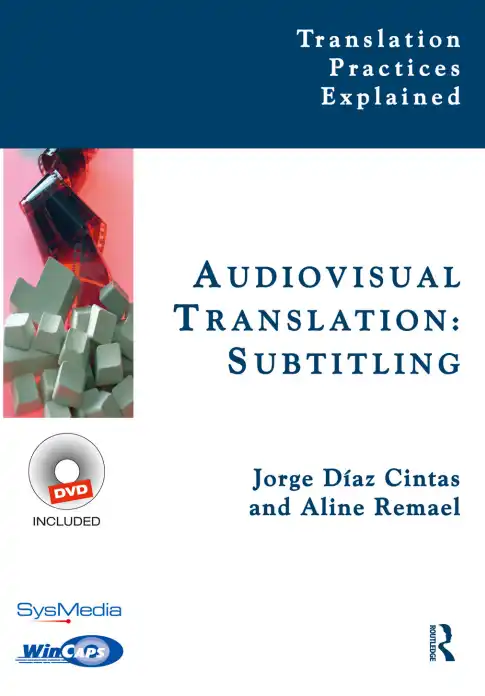
In this 5-minute deep dive, we will unpack the core wisdom of this masterclass. We will explore its essential technical guides, deep theoretical insights, and practical frameworks. You will discover how this book builds the foundation. It prepares you for a successful career in audiovisual translation subtitling.
1.Why This Book Is a Cornerstone of Audiovisual Translation Subtitling
This book is far more than a simple textbook. It set the standard for the entire field of audiovisual translation subtitling. Experts consider it a cornerstone. It was the first to provide practitioners and students with a professional framework. This framework is complete, systematic, and actionable.
1.1 From Novice to Expert: A Systematic Path Designed for a Career
The book's structure acts as a career roadmap. It guides the reader from basic introductions and the professional environment to semiotic analysis. Then, it dives deep into technical considerations and linguistics.
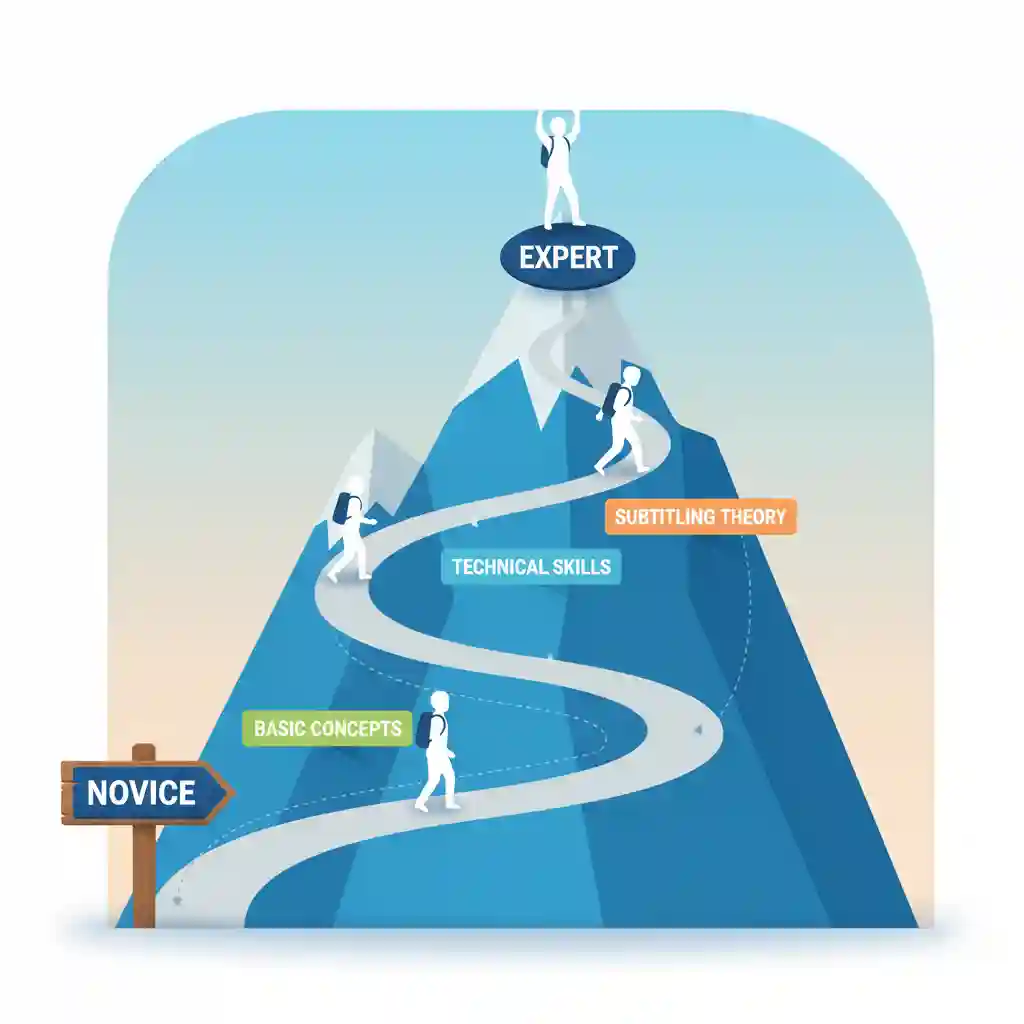
This progressive structure ensures learners build a coherent knowledge system. It is not merely a collection of random tips. This definitive coursebook aims to transform a novice into a well-rounded expert.
1.2 More Than Translation: Uncovering Subtitling Theory and Practice
The most significant difference between an amateur and a professional is simple. A professional understands the principles behind an action. This book merges subtitling theory and practice. The theory explains the "why."
Meanwhile, the practical sections teach the "how." This combination ensures your audiovisual translation subtitling work is sound. It becomes technically robust, logical, and fluent.

1.3 Why Top Video Localization Services Recommend This Book
Professional Video Localization Services need qualified translators who can deliver from day one. The standards taught in this book are core industry benchmarks. These include the 37-character-per-line limit for TV and the "six-second rule" for a full two-line subtitle.
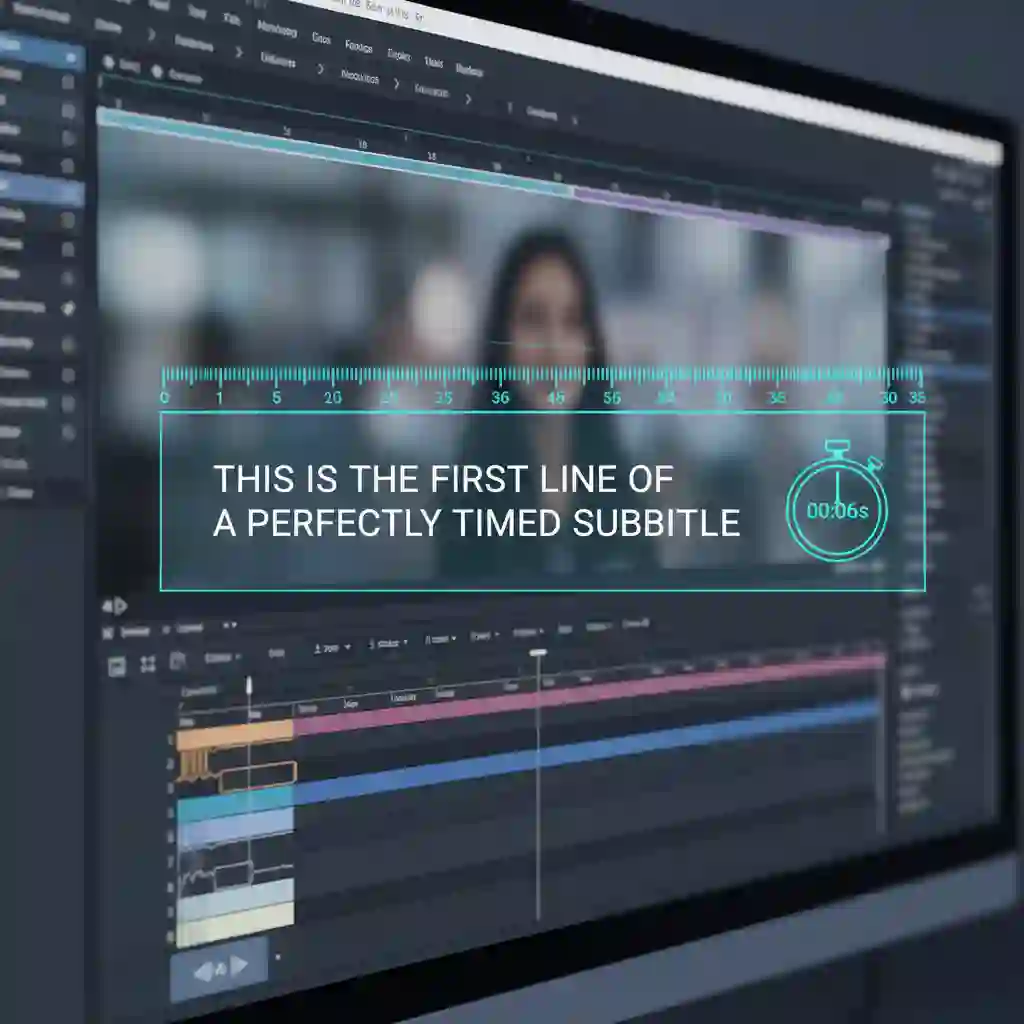
Statistics show that over 80% of professional subtitlers studied this book. They learned the core concepts early in their careers. The skills it teaches are critical. They ensure commercial-grade audiovisual translation subtitling quality.
To further understand real-world applications of audiovisual translation subtitling in the industry, check Reddit discussions by pros on entry and pricing. (Starting a career as subtitler)
1.4 Beyond a Simple Task to Translate Subtitles: A Systematic Framework
Many assume subtitling is a simple task. However, this book changes that perception. It does not offer isolated tricks. Instead, it provides a comprehensive problem-solving methodology. Readers learn to make optimal decisions.
They navigate complex constraints of space, time, and culture. This systematic framework is the foundation of high-quality audiovisual translation subtitling. It is the book's most significant contribution to the field of audiovisual translation subtitling. It shapes a professional audiovisual translation subtitling mindset.
2.Mastering Core Techniques: From SRT File Creation to Precise Timing Control
You must translate theoretical knowledge into high-quality work through superior technical skill. In the field of audiovisual translation subtitling, technical precision defines the viewer's experience. One of the book's core values is its practical application.
It transforms abstract theories into actionable, measurable technical standards. This provides a solid foundation for a professional audiovisual translation subtitling workflow.
2.1 The Golden Rules of SRT File Creation
Professional audiovisual translation, including subtitling, begins with a structured subtitle file. The book details the core elements of SRT File Creation. Each subtitle entry consists of a number, a timecode, and the text. The timecode is the lifeline of the subtitle. Its format must adhere to the "HH:MM:SS:FF" standard.
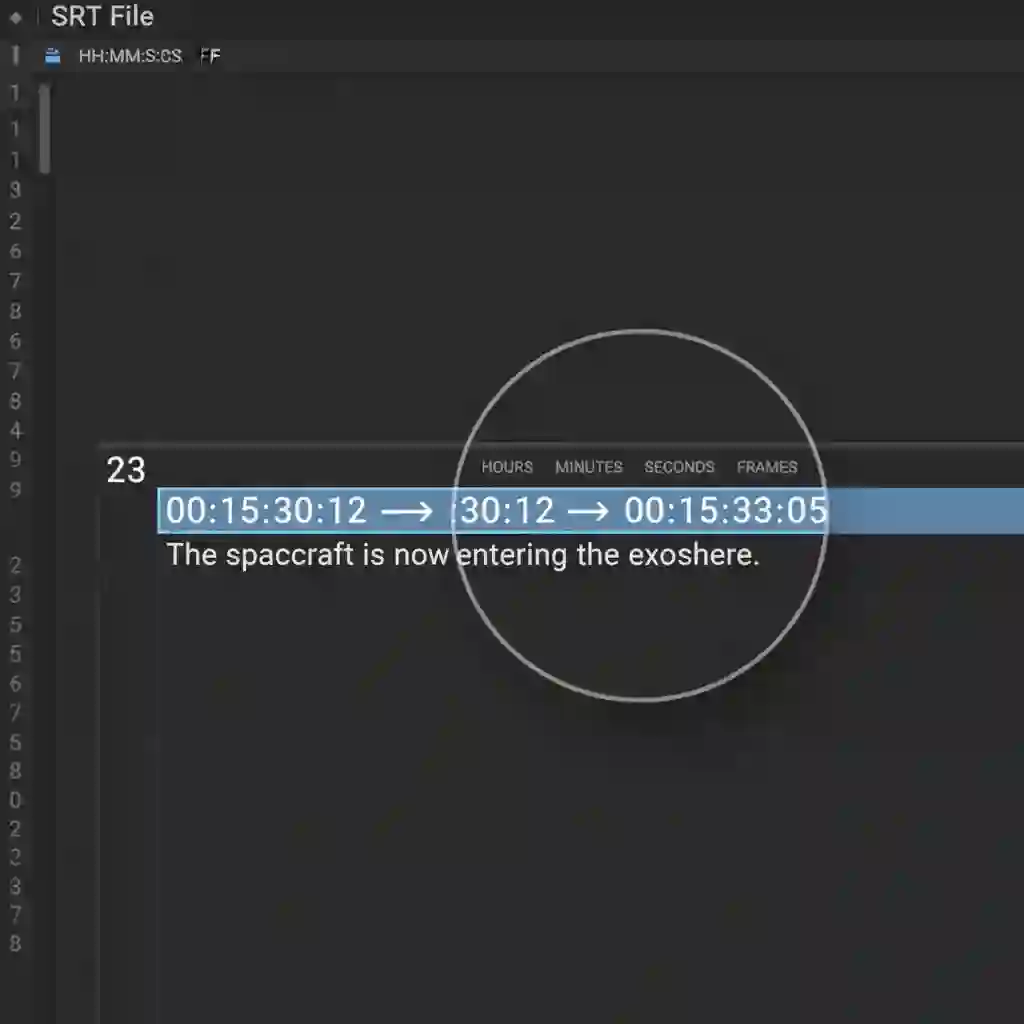
This stands for hours, minutes, seconds, and frames. For example, a timecode of `00:15:30:12` means the subtitle appears at 15 minutes, 30 seconds, and 12 frames into the film. This frame-level accuracy is a fundamental skill. Every professional subtitle translator must master it. It is the first step to ensure perfect synchronization in audiovisual translation subtitling.
To apply these SRT standards to real projects, watch this beginner tutorial video explaining practical timeline and line-breaking strategies in audiovisual translation subtitling. (Audiovisual Translation - subtitling)
Audiovisual Translation - subtitling
YouTube Video
2.2 The Art of Spotting: Achieving Perfect Synchronization with Video
"Spotting" is one of the most skill-intensive aspects of audiovisual translation subtitling. It refers to the process of setting the precise in-time and out-time for each line of dialogue. The book provides a golden rule. A subtitle's in-time should be within two frames of the speaker's first utterance. Its out-time should be within two frames of when they finish speaking.
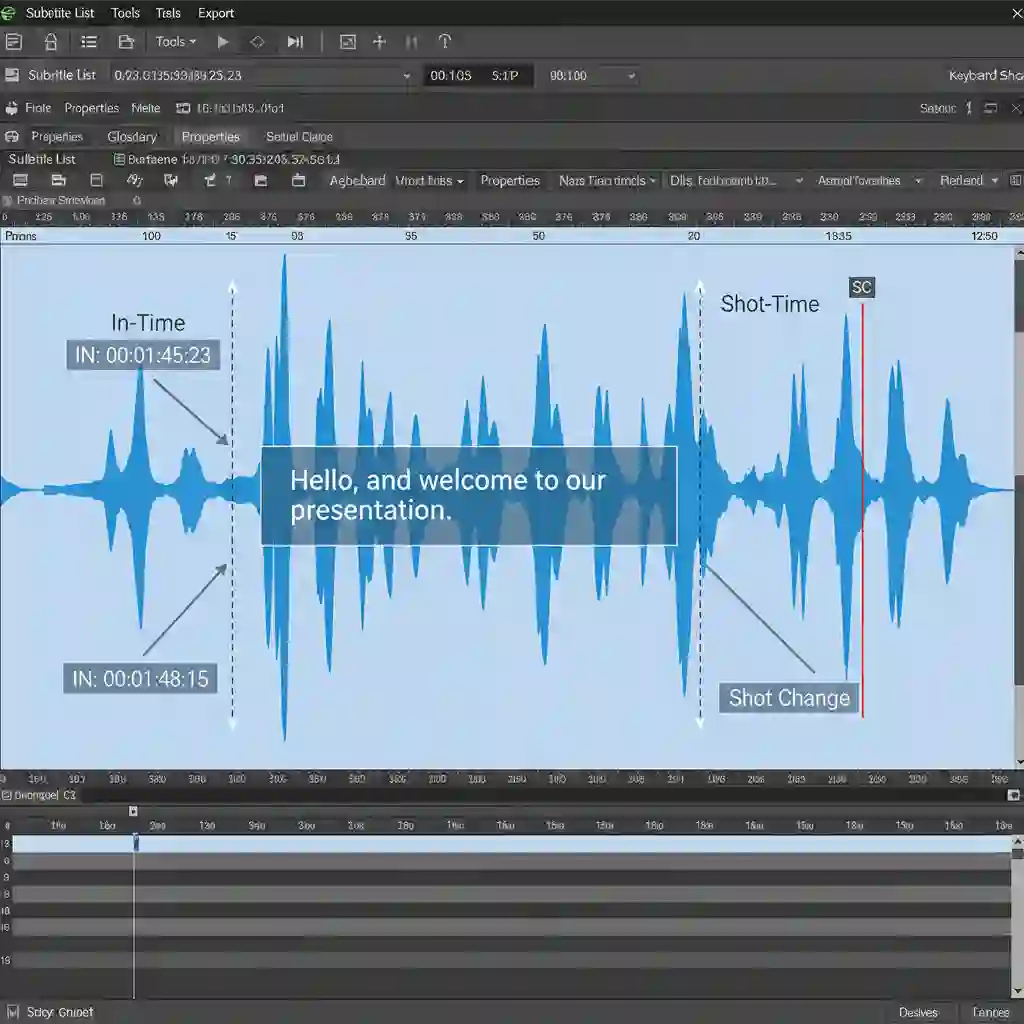
It must also end before a shot change. This technique embodies the intersection of Subtitling theory and practice. A skilled subtitle translator uses precise spotting. This makes subtitles feel synchronized with the character's breath. It is an art that automated tools struggle to replicate. This meticulous attention to detail is the soul of high-quality audiovisual translation subtitling.
See Aegisub's practical translation teaching in the video, demonstrating how to handle complex timings and multilingual subtitles in audiovisual translation subtitling. (Aegisub Lesson 5 - How to Translate Video Subtitles)
Aegisub Lesson 5 - How to Translate Video Subtitles
YouTube Video
2.3 The Subtle Difference Between Subtitles and Closed Captioning
The book demonstrates its professionalism through clear definitions of specialized areas. It explicitly distinguishes between standard Subtitles and Closed Captioning (CC) for Videos. CC serves the d/Deaf and hard-of-hearing community. Standard subtitles primarily address language barriers, while CC must convey additional auditory information.
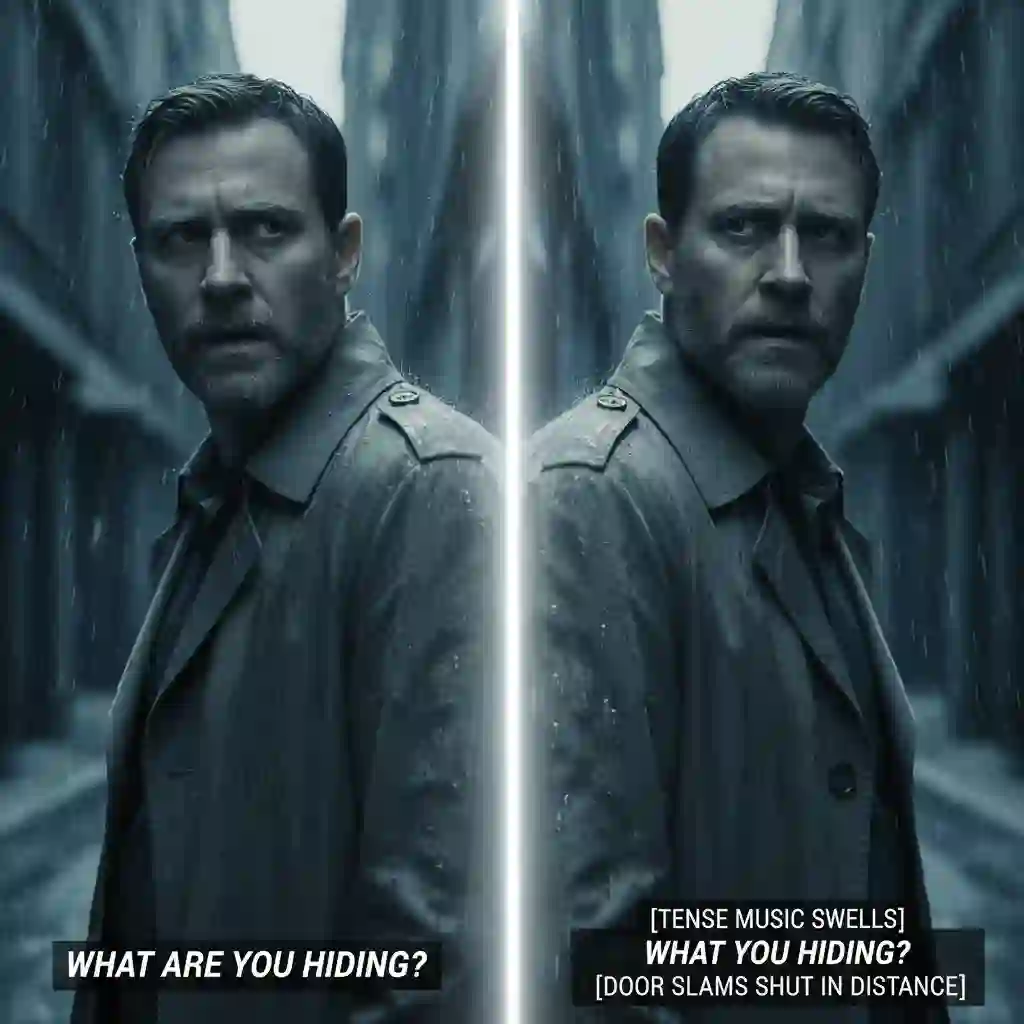
For instance, CC includes non-speech descriptions. Examples include '[phone rings]' or '[door slams]'. You must understand this distinction. It is crucial to take on different types of audiovisual translation subtitling projects.
The book explains Closed Captioning thoroughly. This ensures practitioners offer inclusive, professional services. This inclusivity is a key direction for modern audiovisual translation subtitling.
2.4 Case Study: How the Book Handles Multilingual Film Challenges
Audiovisual translation, such as subtitling, faces complex challenges when multiple languages appear in a film. The book analyzes these situations using specific case studies. Consider a predominantly English-language film. A character might suddenly say "Te amo" in Spanish.
The book advises basing your strategy on the director's intent. You must also consider the target audience. The goal may be for all viewers to understand. In this case, the subtitle should display the original Spanish in italics. Follow this with an English translation in brackets, like: Te amo [I love you].
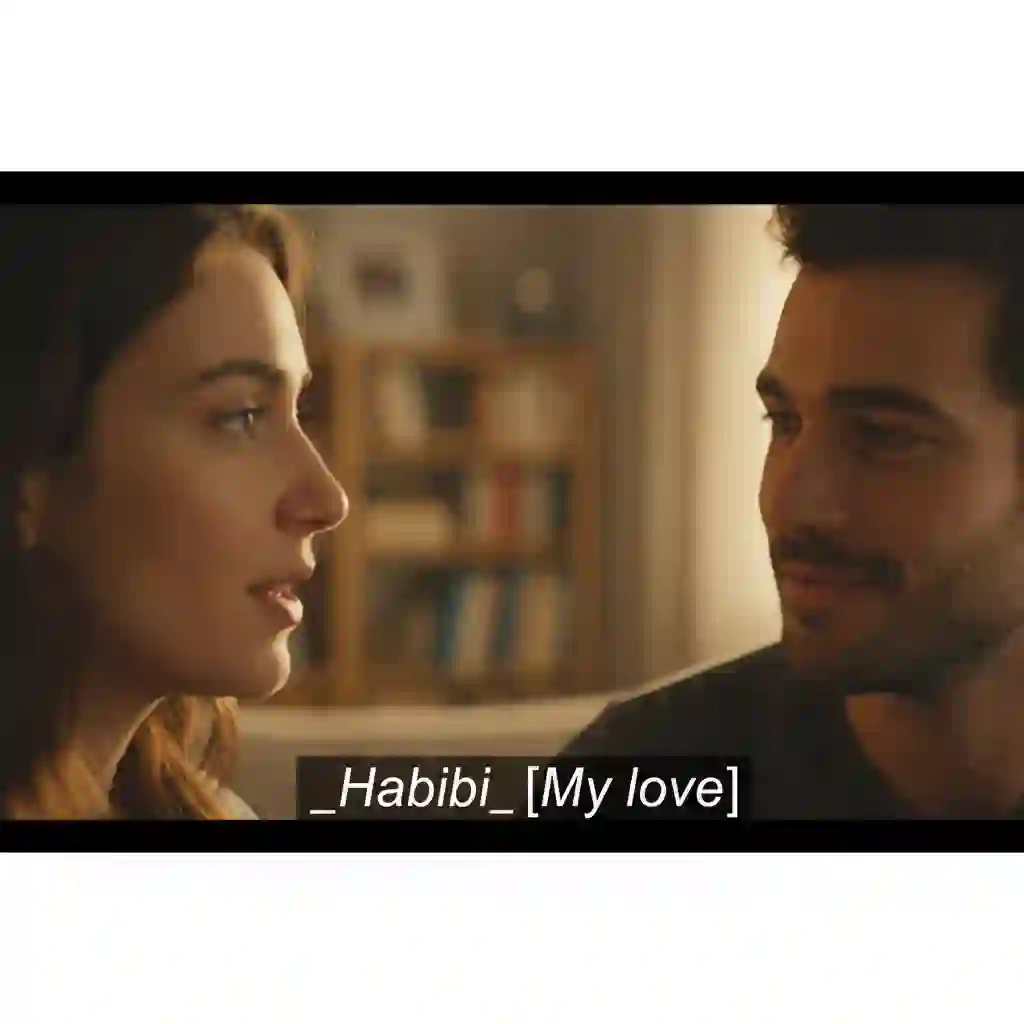
This nuanced approach goes beyond simple translation. It reflects the actual value of audiovisual translation subtitling as a bridge for cross-cultural communication. The book provides systematic solutions for these complex scenarios. It gives practitioners a reliable guide for every audiovisual translation subtitling project.
3.Theoretical Depth: Why Excellent Subtitling Is More Than Language Conversion
Do not think of audiovisual translation subtitling as mere language conversion. That misses the essence of this profession. An excellent subtitler is like a dancer in chains. They must convey information flawlessly under multiple constraints.
The brilliance of this book lies in its systematic approach. It reveals the complexity of subtitling beyond the linguistic level. This elevates audiovisual translation subtitling to a new standard.
3.1 The Semiotics of Subtitling: When Text Becomes a Visual Element
On screen, subtitles are more than words. They are dynamic visual symbols. This book delves deep into the semiotics of subtitling. Every advanced translator must master this dimension of thinking.
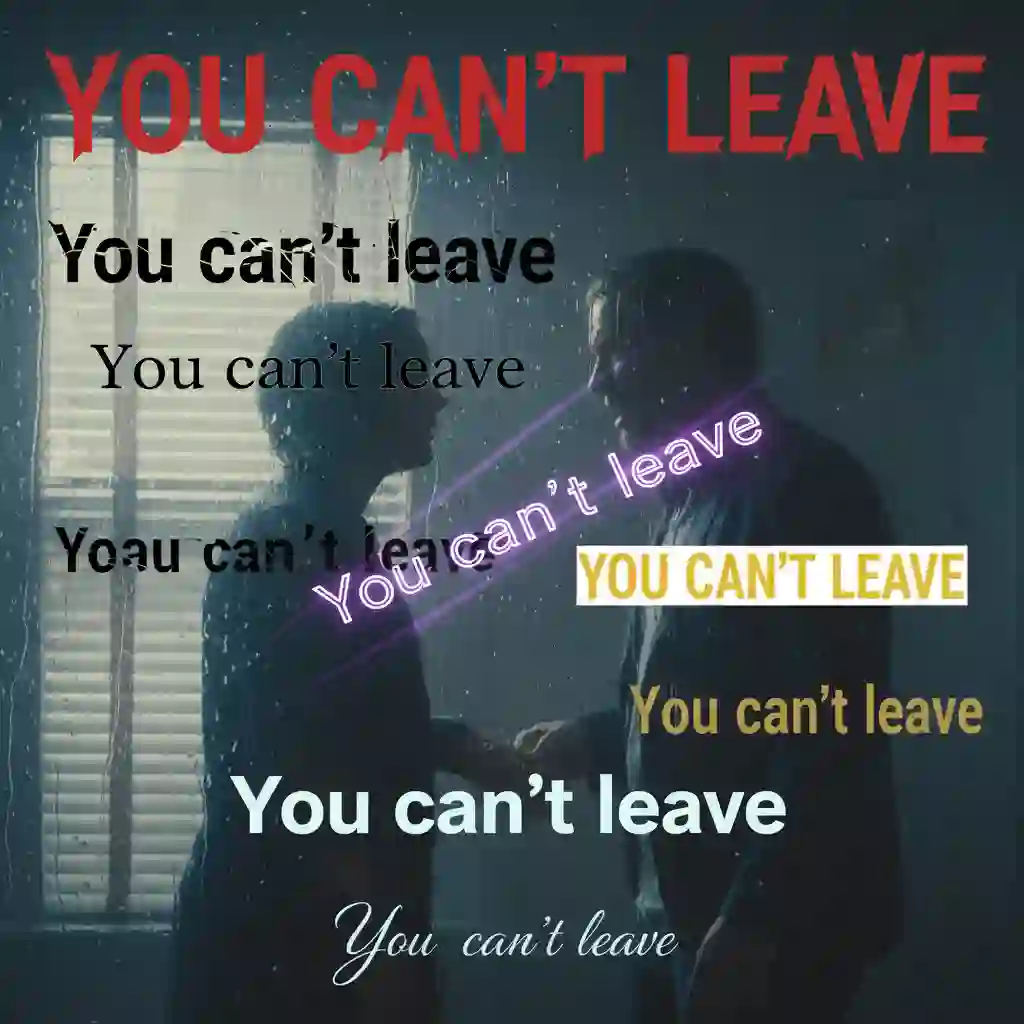
Visual elements influence how viewers receive information. They also affect how viewers perceive emotion. These elements include font, position, and color. For example, sans-serif fonts offer clarity.
This sophisticated use of visuals is a core tenet of professional theory. It is a key factor for Video Localization Services. It helps them deliver high-quality audiovisual translation subtitling products.
In real branded content, this visual dimension of subtitling is widely applied, like cases shared by the Instagram account showcasing professional audiovisual translation subtitling scenarios. (visual dimension of subtitling is widely applied)
visual dimension of subtitling is widely applied
Instagram Post
3.2 The Art of Text Reduction: Conveying Full Meaning in Limited Space
Text reduction is arguably the most challenging aspect of audiovisual translation subtitling. Screen real estate is limited. Television subtitles are often capped at 37 characters per line. Time is equally precious. A full two-line subtitle can usually be displayed for up to 6 seconds.
An amateur might struggle with a long, colloquial sentence. They might truncate it awkwardly or lose critical information. However, the book details the art of "condensation" and "reformulation." You learn to distill spoken language into concise text. This ensures readability without sacrificing meaning. This skill defines professional audiovisual translation subtitling. It is far more than a simple task to translate subtitles.
3.3 Cultural Localization: A Bridge Beyond Literal Translation
Language is a vessel for culture. Literal translation often fails with idioms, puns, or cultural references. Professional Video Localization Services understand this. Accurate localization achieves functional equivalence.
The book uses case studies to navigate these challenges. For instance, consider an English-language joke. You might replace it with a similar joke from the target culture. This elicits the intended laughter. This deep cultural transcoding is the core value of an expert. It moves beyond fundamental SRT File Creation. It builds an actual bridge of cross-cultural understanding in audiovisual translation subtitling.
3.4 Why This Coursebook Emphasizes Linguistics So Heavily
Linguistics provides the theoretical foundation for audiovisual translation subtitling. This coursebook emphasizes concepts like cohesion and coherence. Subtitles often break a single long sentence across multiple shots.
Without linguistics, these fragments feel disjointed. They disrupt the viewer's reading flow. Linguistic principles ensure clarity. This applies whether serving general audiences or creating Closed Captioning. This theoretical depth is crucial. It solidifies audiovisual translation subtitling as a rigorous academic discipline.
This is the electronic version of this book:
4.From Theory to Practice: 4 Efficient Subtitle Translator Tools Recommended
You have mastered the core theories. Now, choosing the right tools can multiply your productivity. Theory guides practice, while tools extend your capabilities. Here are four excellent subtitle translator tools. They range from beginner-friendly to professional-grade. They will help you apply your knowledge to real-world audiovisual translation subtitling projects.
To learn how pros select tools, refer to Quora discussions on subtitling and audiovisual translation subtitling career paths. (How do I become a subtitle translator)
4.1 Aegisub: The Open-Source King of Precision Control
Aegisub is a powerful, open-source tool. It is free and favored by many professionals. Its greatest strength lies in its meticulous timing control.
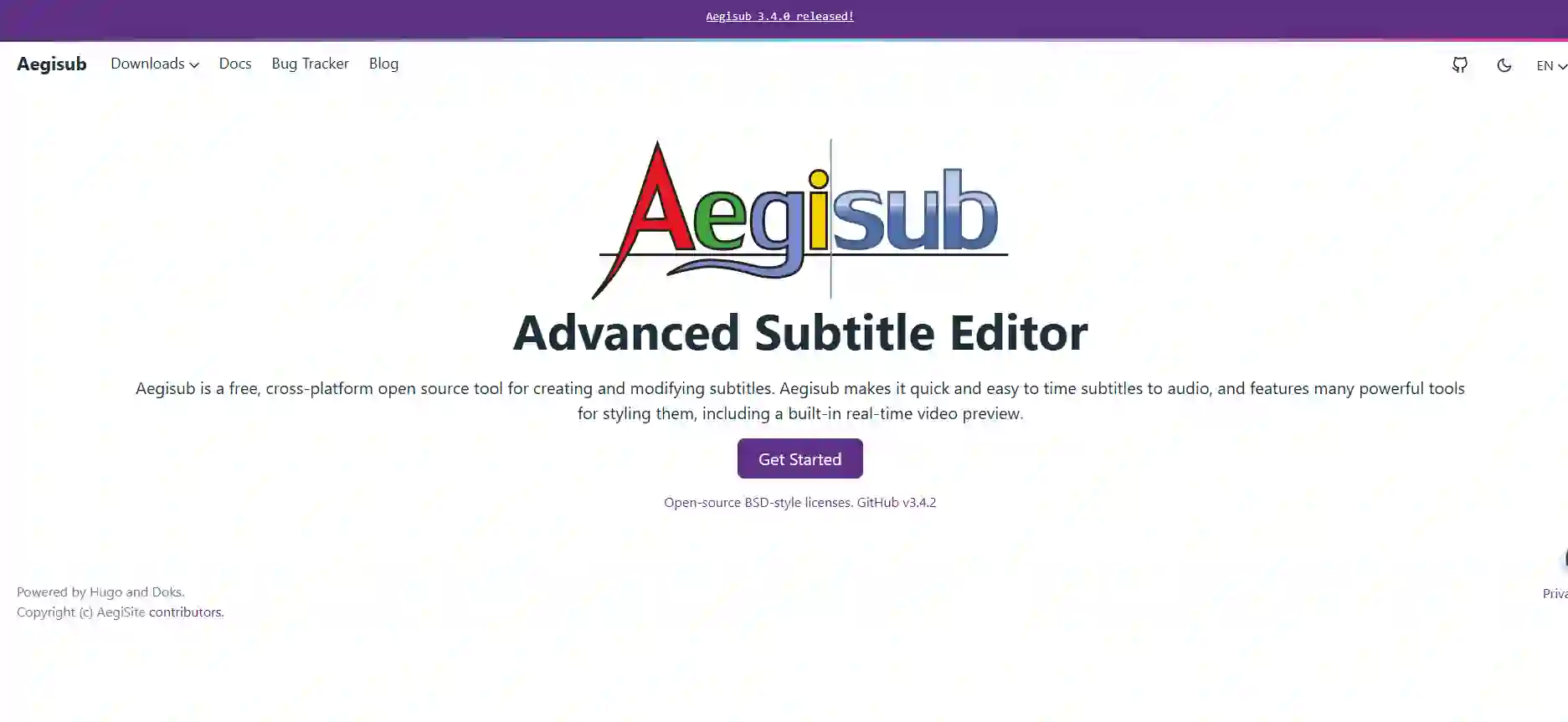
This makes it ideal for complex dialogue. It also handles fast-paced scenes well. Some audiovisual translation subtitling projects demand artistic flair. They require perfect synchronization. For these, Aegisub offers unparalleled flexibility.
4.2 Subtitle Edit: The All-in-One Professional Choice
Subtitle Edit is the "Swiss Army knife" of the world of audiovisual translation subtitling. It is free to use. However, it boasts a comprehensive feature set. It supports conversion between over 280 subtitle formats. This feature is crucial when dealing with files from various clients.
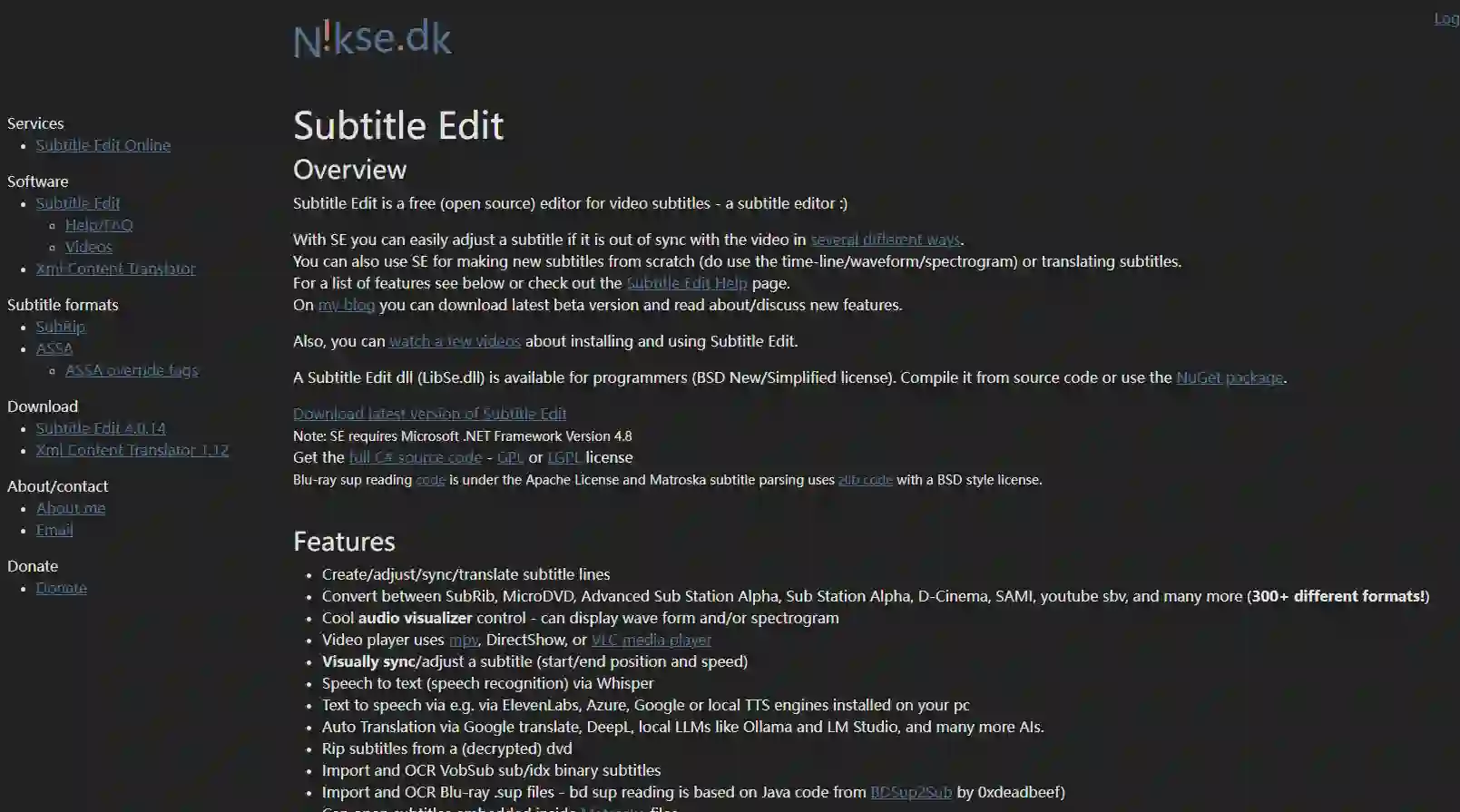
Its built-in waveform visualizer makes spotting intuitive and precise. This makes it a powerful asset for efficient SRT File Creation. It is also excellent for proofreading tasks.
In the Reddit post, video editors recommend subtitle translation tools, highlighting Subtitle Edit's strengths in audiovisual translation subtitling. (Best Tool for Translating Video Subtitles Without Losing Formatting)
4.3 Kapwing: The Integrated Online Video and Subtitle Editor
Kapwing is an ideal starting point for beginners and social media content creators. It is a lightweight, web-based tool. It requires no downloads and has an intuitive interface. You can upload a video and translate subtitles with ease.

It is not suited for complex audiovisual translation subtitling projects that require deep technical control. However, it is efficient for generating subtitles for short-form videos.
TikTok creator tutorial video teaches quick addition of audiovisual translation subtitling, ideal for short-video localization practice. (How to Add subtitles on TikTok - 1 MINUTE TUTORIAL)
How to Add subtitles on TikTok - 1 MINUTE TUTORIAL
YouTube Video
4.4 Ai Subtitle Translator: The AI Revolution in Batch Translation
This is a game-changing AI subtitle translator. It is built for efficiency. It is web-based and requires no installation. Its standout feature is batch translation support for over 100 languages.
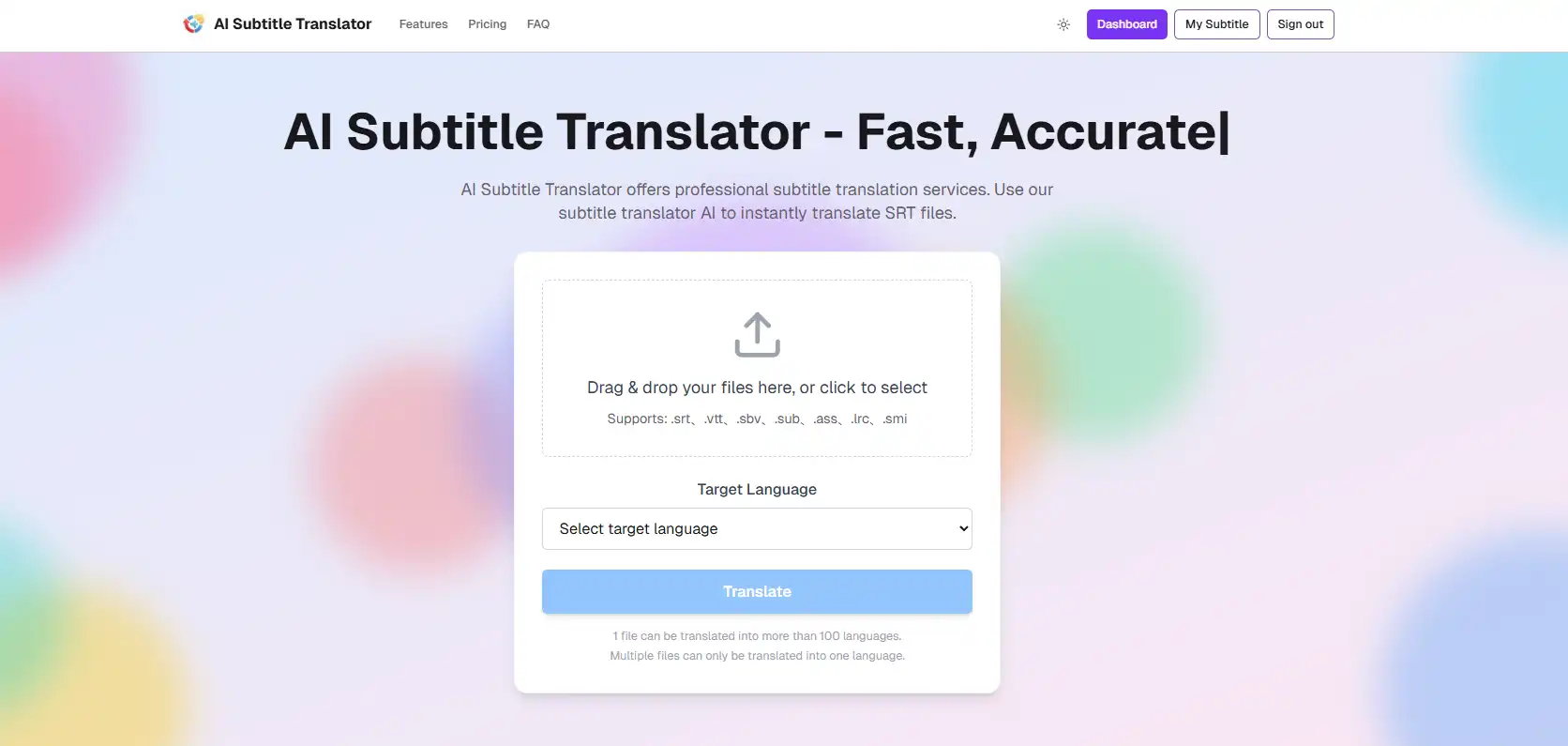
This capability helps Video Localization Services and freelancers. It is perfect for those handling large, multilingual projects. It can process multiple SRT files at once. This reduces the time needed for initial draft translations.
This powerful tool allows you to focus your expertise. You can concentrate on the critical parts of audiovisual translation subtitling. These include cultural adaptation and creative polishing. AI becomes a valuable assistant in your professional workflow. Professionals in audiovisual translation subtitling can leverage it. They can optimize their entire SRT File Creation and translation process.
| Tool Name | Best For | Key Features | Platform |
|---|---|---|---|
| Aegisub | Precision Control & Complex Dialogue | Meticulous timing, open-source, free | Desktop |
| Subtitle Edit | Professional "Swiss Army Knife" | 280+ formats, waveform visualizer, comprehensive | Desktop |
| Kapwing | Beginners & Social Media | Lightweight, intuitive, no install needed | Web |
| Ai Subtitle Translator | Batch Processing & Efficiency | 100+ languages, batch support, efficiency optimization | Web |
Our AI subtitle translation powerhouse supports 100+ languages for batch-converting SRT files, intelligently preserving timings and formats. (Effortlessly batch-translate SRT files) Plus online subtitle editing features (Online Subtitle Editor: Real-time video sync preview, multi-line tweak) and subtitle format conversion functions (Subtitle Converter Tool: Instantly convert)—essential for audiovisual translation subtitling workflows.
5.Begin Your Path to Mastering Audiovisual Translation Subtitling
Audiovisual Translation: Subtitling is more than a book. It is a solid bridge. It connects language proficiency with professional skills. The book provides a time-tested theoretical framework. It also offers practical standards. This gives your audiovisual translation subtitling work a professional foundation.

You become unstoppable when you combine knowledge with tools. Combine the systematic knowledge from the book with modern AI tools, such as the Ai Subtitle Translator. A deep professional foundation pairs with efficient execution. This will make you stand out in the field of audiovisual translation subtitling. This combination is the key to mastery.
Stop hesitating. Get your copy of Audiovisual Translation: Subtitling now. Make the most valuable investment in your career. You might buy the physical book to study. Or, you might find a digital version to get started immediately. This is the first step on your path to mastering professional audiovisual translation subtitling. Take action today. Begin your expert audiovisual translation subtitling journey.
Reference:
[Audiovisual Translation: Everything You Need To Know]
[Video Translation and Subtitling: The Ins and Outs of “Subs and Dubs”]