4 Surprising Facts About How ai translate subtitles Actually Works
Why do the subtitles from your AI translate subtitles tool often sound so robotic?
You spend hours creating incredible videos. Yet, they fail to connect with a global audience. This happens because of stiff, awkward translations.
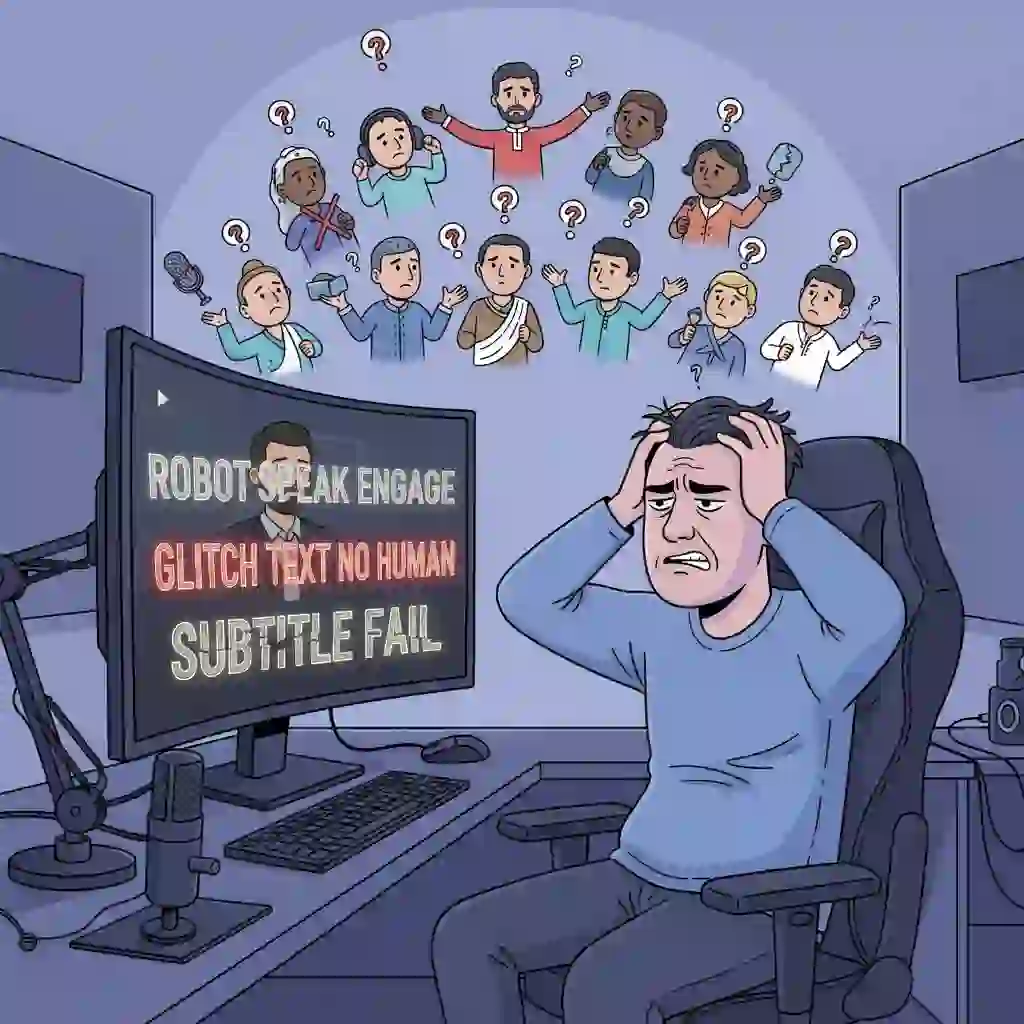
You try to use AI to translate subtitles, but the results can be frustrating. This often leaves viewers more confused than engaged.
Many assume the process is a simple "copy-and-paste" word swap. But consider this. If that were true, why is there a massive quality gap? Why do the different tools available today vary so much?
The answer lies in the complex technology working behind the scenes.

This article pulls back the curtain. We reveal four surprising facts. You will learn how AI translate subtitles technology actually functions.
Understanding these secrets will change how you view automated translation. It also gives you the expertise to choose the right tools. This ensures your story resonates accurately. It will connect with anyone, anywhere.
1.Fact 1: AI Doesn't Just Translate Words, It Syncs the "Time Code"
1.1 Beyond Text: How AI Reads the Time Codes in an SRT File
When you use a professional ai translate subtitles tool, it sees more than the words on the screen. It first identifies the core structure of the subtitle file. This includes formats such as SRT and VTT.
A typical entry in an SRT file looks like this:
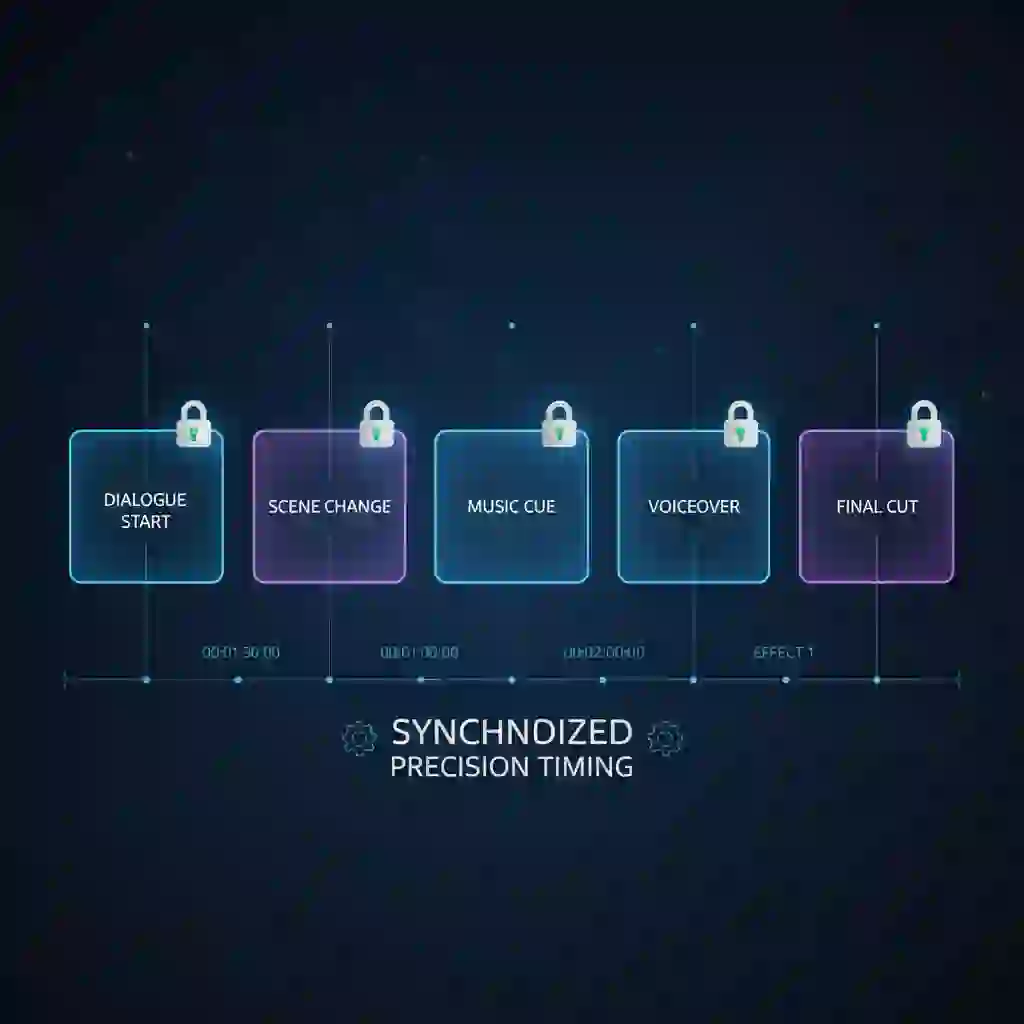
Look at that second line: 00:02:15,300 --> 00:02:18,150. For an advanced ai translate subtitles system, this is the golden rule. This string of numbers tells the video player exactly when to show the text. It also tells it when to hide the text. Preserving this time code is critical when translating an SRT file.
1.2 Why Regular Translators Cause Audio-Video Sync Issues
A disaster happens if you copy and paste subtitle text. This occurs when using a standard online translator. Those tools are built for plain text only. They completely ignore timecode information. They discard it entirely.
You paste the translated text back. But all the precise timing is lost. This is the most common pitfall people face. It happens when they try to ai translate subtitles on their own.

Data shows that out-of-sync subtitles can increase viewer bounce rates. They rise by up to 60%. This is because the experience is so distracting.
A dedicated subtitle translator operates differently. Its primary mission is to protect the timecode structure. This ensures the translation process doesn't ruin the viewing rhythm. You must choose the right ai translate subtitles tool. It is all about avoiding this critical mistake.
This synchronization challenge is a common topic in tech communities; for instance, this Reddit discussion on automating subtitle translation explores tools like Lingarr that aim to solve these exact sync issues when you ai translate subtitles. (Lingarr - Automate Subtitle translation using AI)
1.3 Timecode Fidelity: The First Step to Accurate Multilingual Captions
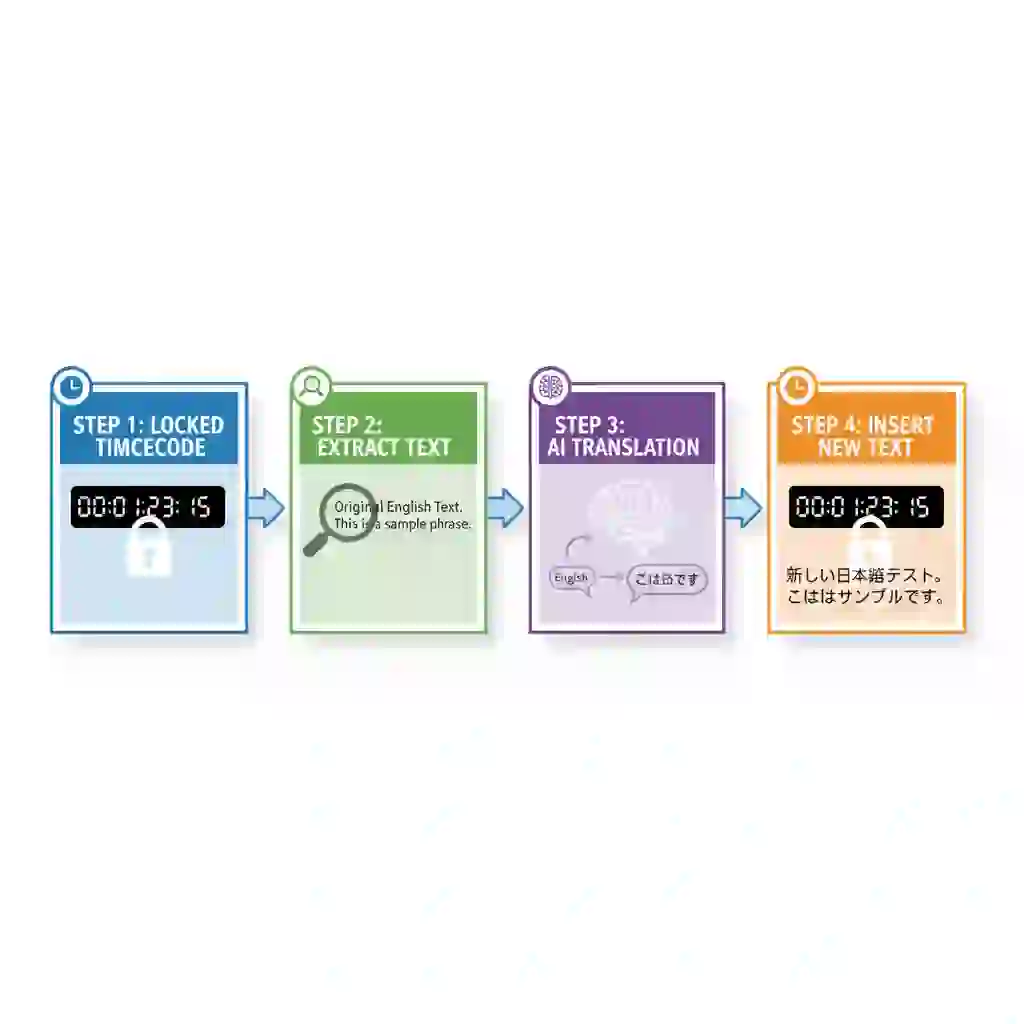
So, how does a superior ai translate subtitles system actually work? It follows an exact process. First, it "locks" the timecode for each subtitle line. It treats this as untouchable data.
Next, the AI extracts only the text for translation. The text is translated. Then, the system places the new text back into its original frame. It fits perfectly into the locked timecode.
This process guarantees synchronisation. No matter the language, the subtitles appear and disappear correctly. They happen at the same moments as the original version.
This is different from a simple automatic subtitle generator. Those tools might only create the initial text. However, absolute respect for the timecode is vital. It is the foundation for building professional multilingual captions.
Therefore, any reliable ai translate service must focus on this. It must treat timecode integrity as its highest priority.
2.Fact 2: It Learns from Billions of Real Conversations, Not a Rigid Dictionary
2.1 Goodbye Literal Translations: From SMT to NMT
In the past, early ai translate technology relied on a specific method. It was called Statistical Machine Translation (SMT).
This technique worked like putting puzzle pieces together. It translated phrases individually. Then it combined them based on their probabilities. The results were often stiff and disjointed.

However, things have changed. Modern, top-tier ai translate subtitles systems have transitioned. They now use Neural Machine Translation (NMT). An NMT model doesn't look at words in isolation. Instead, it processes the entire sentence as a whole.
This allows it to capture context. It also captures subtle nuances in tone. This marks a revolutionary leap for any subtitle translator ai.
To see this evolution in action, watch this YouTube tutorial on generating and translating subtitles, which demonstrates how modern AI models like Gemini process context to create fluid, natural translations instead of robotic text when you ai translate subtitles. (Generate & Translate Subtitles with AI)
Generate & Translate Subtitles with AI
YouTube Video
2.2 The "Secret Sauce" of Training Data: How AI Learns to Speak Naturally
So, how does an advanced ai translate subtitles model learn? Its teacher isn't a rigid dictionary. Instead, it learns from massive, real-world bilingual conversation data found across the internet.
Imagine the AI studying countless movie scripts. It reads TED Talk transcripts. It scans online courses and news articles. Developers train the best NMT models on over 100 billion word pairs.
An AI translation subtitles tool works by drawing on these patterns. It uses lessons from billions of real human interactions.
This training method empowers a professional video translation service. It allows it to produce natural translations. They sound idiomatic. The core of a robust AI translation process is high-quality training data.
2.3 Why It Understands "You bet!" Isn't just "You are betting"
This advanced learning process gives ai translate subtitles the ability to translate subtitles and understand context. Let's look at a real-world example. In a video dialogue, Character A says, "Thanks for your help!" Character B replies, "You bet!"

An outdated dictionary tool translates this to "You are betting." This makes no sense in the context of the conversation. It confuses the viewer. But an NMT model sees the difference.
It was trained on countless real dialogues. It immediately recognises the context. It knows that "You bet!" means "You're welcome!" or "Of course!" in this scenario.
It can do this because it does not simply translate subtitles. It understands conversational intent. This profound grasp of context is the foundation. It is vital for effective AI video localisation. This is the actual test that separates an amateur tool from a professional ai translate subtitles solution.
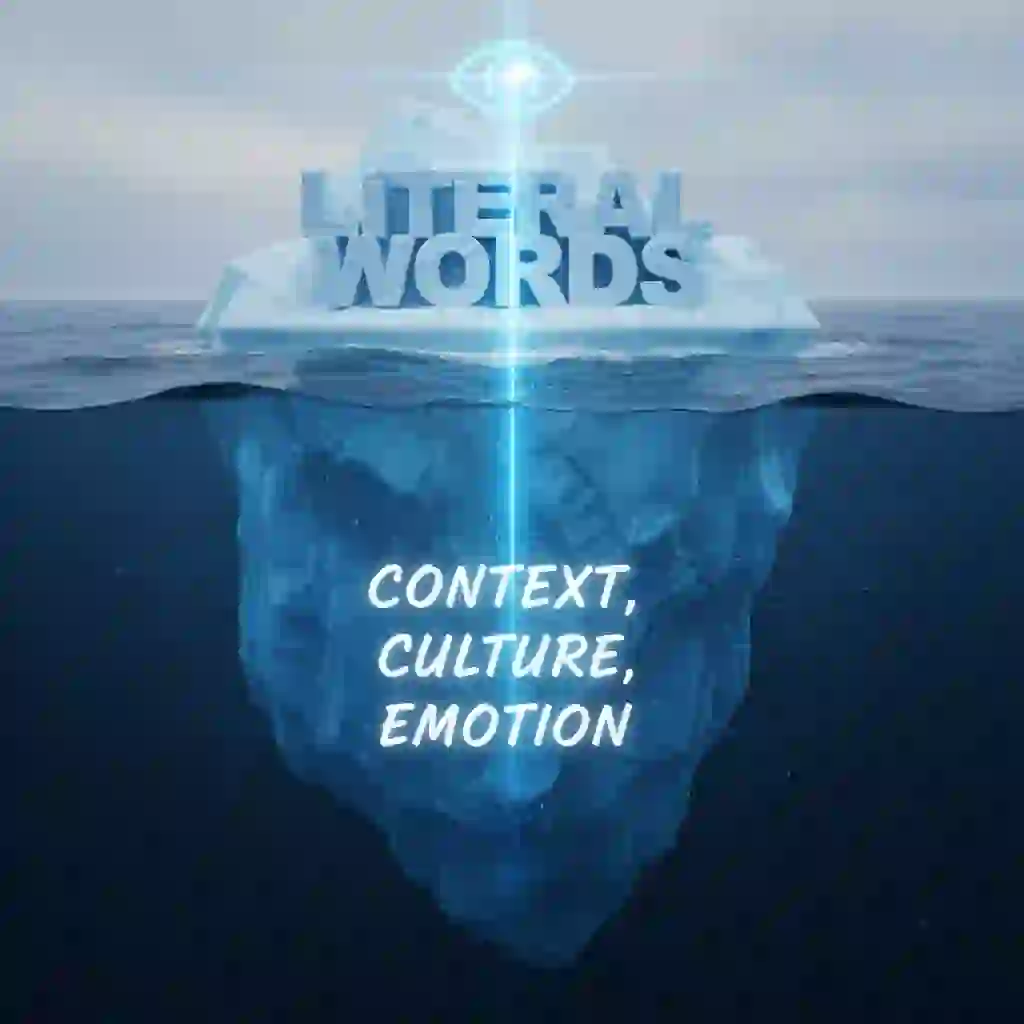
3.Fact 3: Top AI Is Trying to Read Between the Lines
3.1 Breaking Cultural Barriers: Translating Slang and Idioms
Translating idioms is a massive challenge for any ai translate subtitles technology. These phrases are rooted in specific cultures. For example, translating the English phrase "break a leg" word-for-word is wrong. It would not be very clear.
A modern subtitle translator avoids this mistake. It analyses massive amounts of data. It recognises that this phrase appears in specific contexts. It usually comes before a performance to offer encouragement.
A powerful ai translate subtitles system translates it to "Good luck!". This conveys the speaker's true intent accurately.
Creators are leveraging this capability to expand their reach, as seen in this Instagram Reel on making videos global, where AI tools are shown effortlessly handling cultural nuances to ai translate subtitles for international audiences. (Make one video speak 100+ languages, auto-translate)
Make one video speak 100+ languages, auto-translate
Instagram Reel
3.2 Detecting Emotion and Tone: Beyond Question Marks and Exclamation Points
High-quality translation conveys emotion. It does not simply convert words. Advanced ai translate subtitles models now analyse sentiment. They look at the feeling of a sentence. This helps them choose appropriate vocabulary.
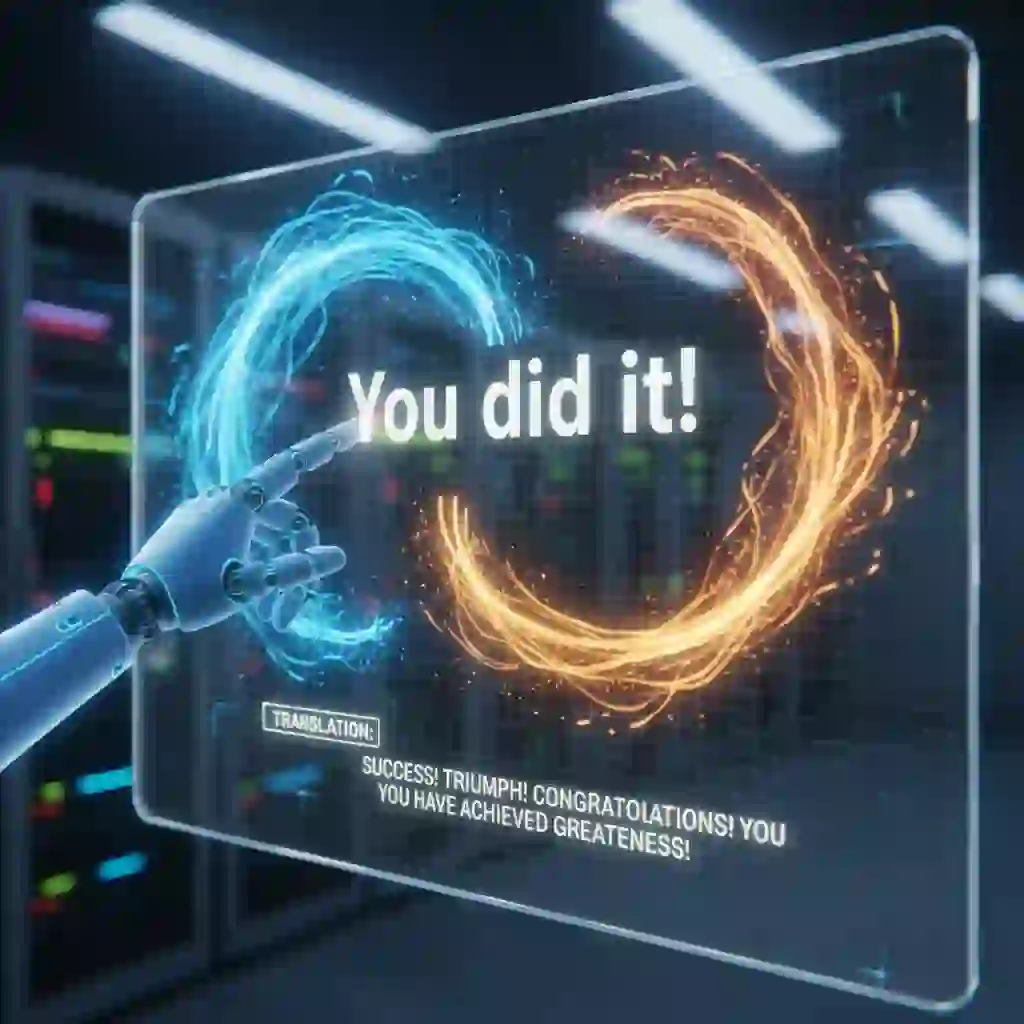
Let's take a simple example: "You did it." A basic translation tool might offer a neutral output like, "You have finished." But this misses the potential tone. A smarter subtitle translator ai considers the context.
If the previous line was an anxious "Will I pass the exam?", it translates "You did it!" with excitement. It uses a celebratory tone, as in "You succeeded!".
This subtle difference creates excellent multilingual captions. A great ai translate subtitles solution must capture emotion. It must convey the feeling hidden behind the text. This makes the results feel much more human.
3.3 Context is King: The Future of AI Is Watching the Video
This is the most exciting future for ai translate subtitles technology. The next generation of AI won't only read the subtitle text. It will watch the video frames. It will listen to the audio tone. Experts call this multimodal AI.
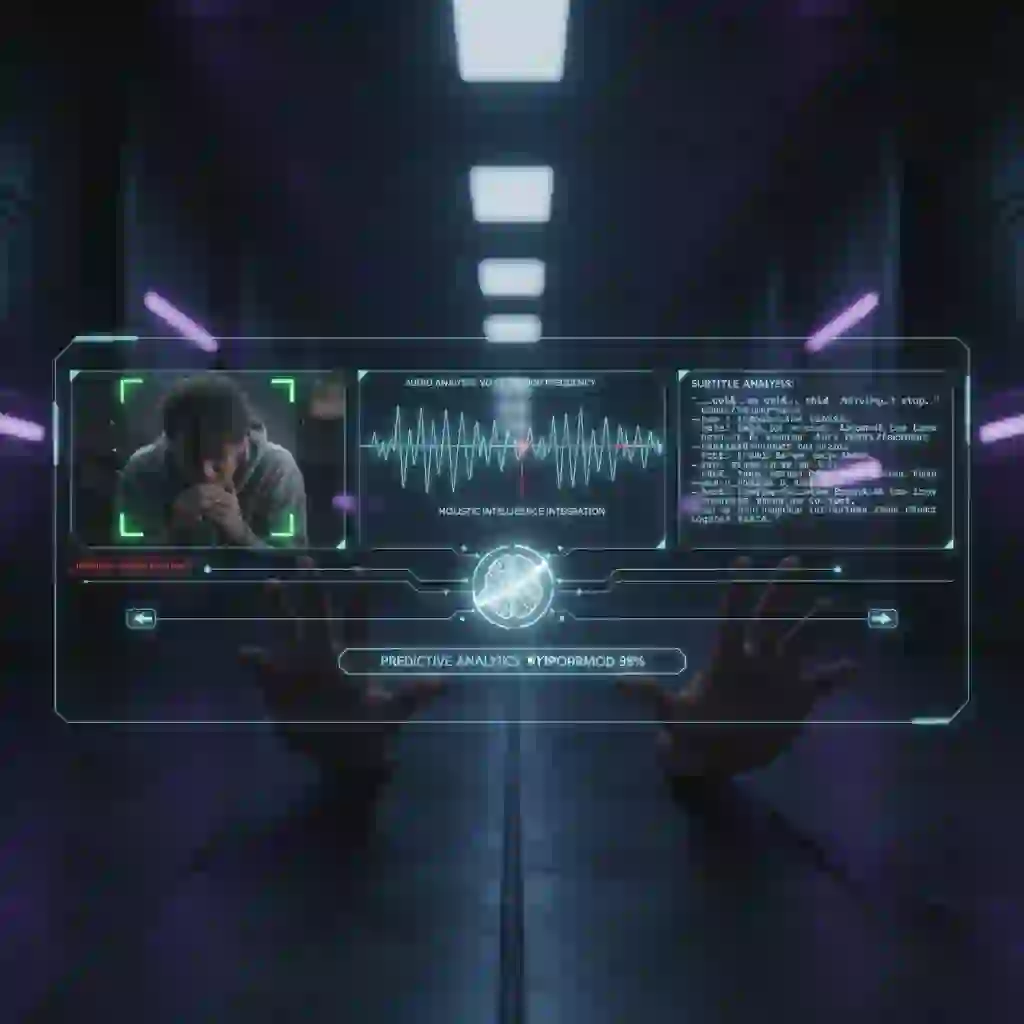
Imagine the text says, "It's really hot in here." But the video shows the speaker shivering. They are wearing a heavy coat in the snow. A future ai translate subtitles system could identify this as sarcasm. It would choose words in the target language that reflect that irony.
This technology creates a game-changer for any video translation service. It combines visual, auditory, and textual information. It is the ultimate form of ai translate subtitles. It promises a level of accuracy never seen before.
4.Fact 4: Translation Is Just the Start; The Real Goal Is "AI Video Localisation"
4.1 The Complete Professional Workflow: From Speech to Global Subtitles
Many people believe that ai translate subtitles is the entire process. They think it is all you need to take a global video. In reality, it is one crucial step. It fits into a much larger workflow.
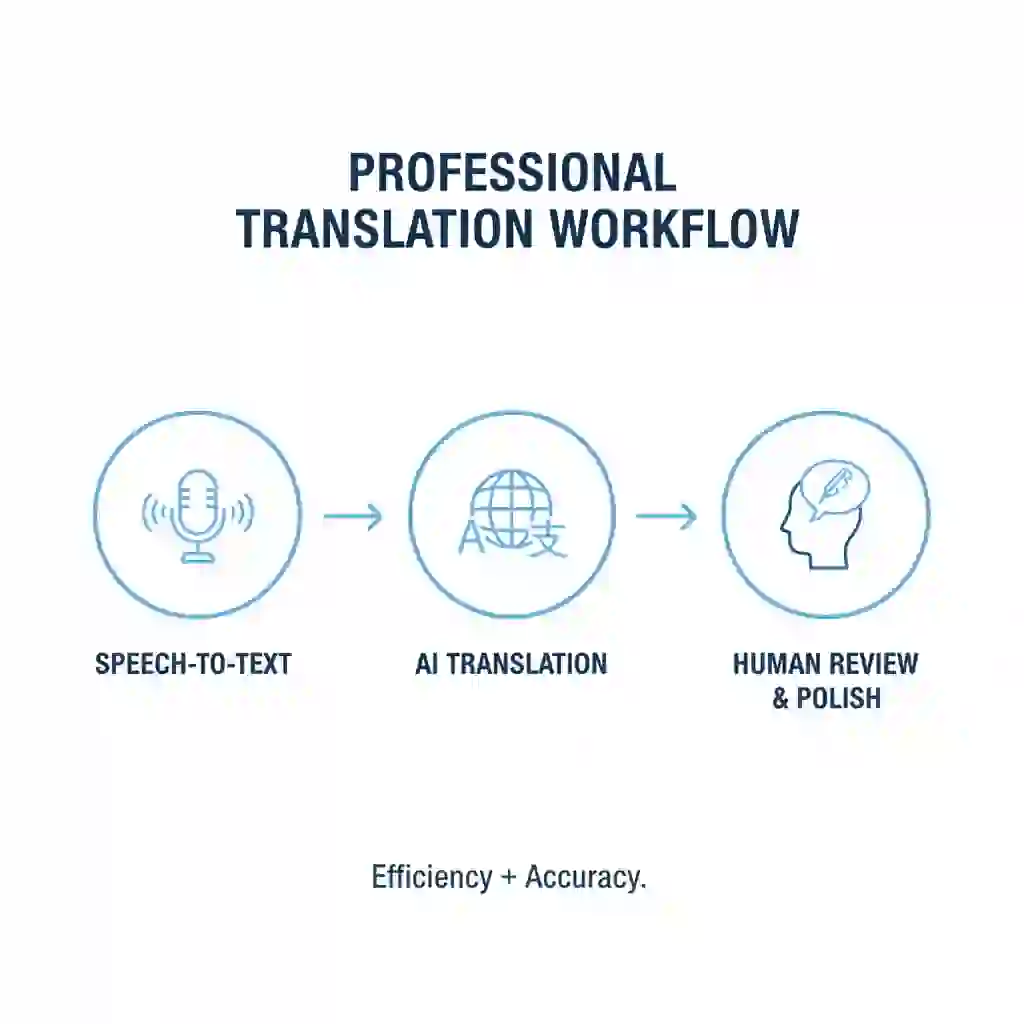
A complete professional workflow has three steps. First, you use an automatic subtitle generator. This creates a file in the original language from the audio track. The second step performs the core ai translate subtitles task. This translates the original subtitles into the target languages.
The final and most crucial step is human review. It also involves cultural adaptation. Even the best ai translate subtitles tools need a final polish. A human expert should review the work. This ensures the end product is flawless.
Advanced users often integrate these steps into their media players; check out this Reddit thread on a Kodi AI translation addon to see how enthusiasts are building streamlined workflows that combine translation and playback. (Translate SRT subtitles with AI)
4.2 Localisation vs. Translation: Why the Difference Is Critical
People often use the words "translation" and "localisation" as if they are the same. But their meanings are worlds apart. Translation converts language. Localisation adapts content to a culture completely.
For example, a US video might mention "100 miles." A basic ai translate subtitles tool would translate that word-for-word. But an AI video localisation process for a European audience operates differently.
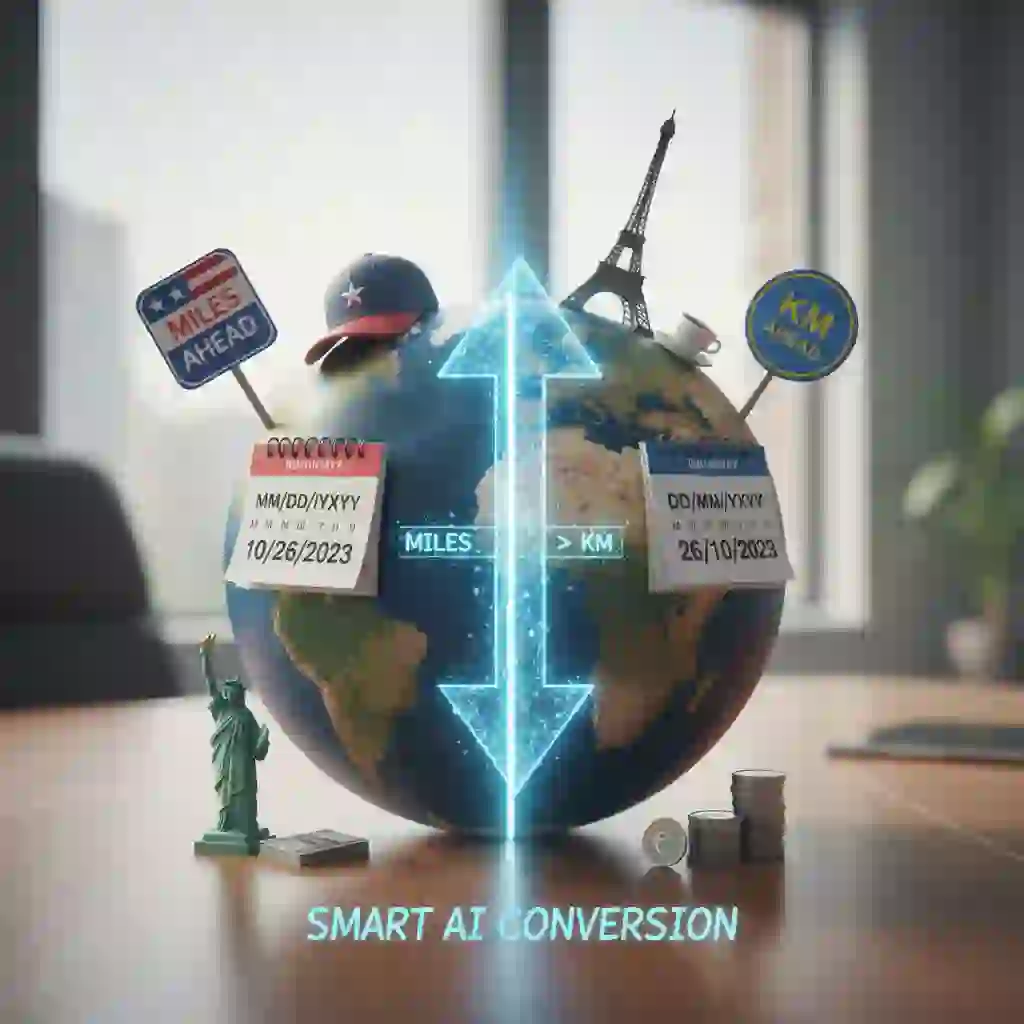
It would convert the distance to "160 kilometres." Also, the date "10/12/2024" means October 12th in the US. It means December 10th in the UK. Localisation addresses these critical details.
We aim for more than simple translation when we translate an SRT file. The ultimate goal is seamless localisation. This makes the content feel local. A great ai translate subtitles service builds a solid foundation for this goal.
4.3 How AI Empowers Efficient AI Video Localisation
In this complex workflow, AI acts as a "super assistant." An efficient ai translate subtitles system automates the work. It handles over 80% of repetitive translation tasks. This saves a tremendous amount of time and money.
This frees up human experts. They can focus their energy on the remaining 20%. They creatively adapt cultural idioms. They verify proper nouns. They ensure the tone fits local cultural norms. AI handles the speed and scale. Humans provide the depth and nuance.
This synergy is perfectly illustrated in this TikTok video on AI video translator tools, which shows how creators can rapidly expand their global audience by automating the heavy lifting of translation. (Best AI Video Translator to Go Global)
Best AI Video Translator to Go Global
TikTok Video
The actual value of modern ai translate subtitles technology is clear. It enables efficient, scalable AI video localization. It is not here to replace humans. It exists to liberate them from tedious labor. Now they can perform more creative and valuable work.
| Fact | Key Mechanism | Why It Matters |
|---|---|---|
| Syncs Time Code | Protects timecode structure (SRT/VTT) | Prevents audio-video sync issues. |
| Learns from Conversations | Uses NMT (Neural Machine Translation) | Captures context and natural phrasing. |
| Reads Between Lines | Analyzes culture, idiom, and emotion | Avoids literal translation errors; conveys tone. |
| Focus on Localisation | Integrates into professional workflow (Review + Adaptation) | True global reach and cultural connection. |
5.Three powerful Tools to Help You ai translate subtitles
You now understand the principles. Choosing the right tool is crucial. A great tool turns a tedious task into a simple one. We reviewed the options. Here are three recommended tools. They will help you solve real-world ai translate subtitles challenges.
5.1 Veed.io
Veed.io is a comprehensive online video editor. It seamlessly integrates video editing and subtitle translation. This is a massive advantage for content creators. Its core features include a powerful automatic subtitle generator. It extracts subtitles with a single click.
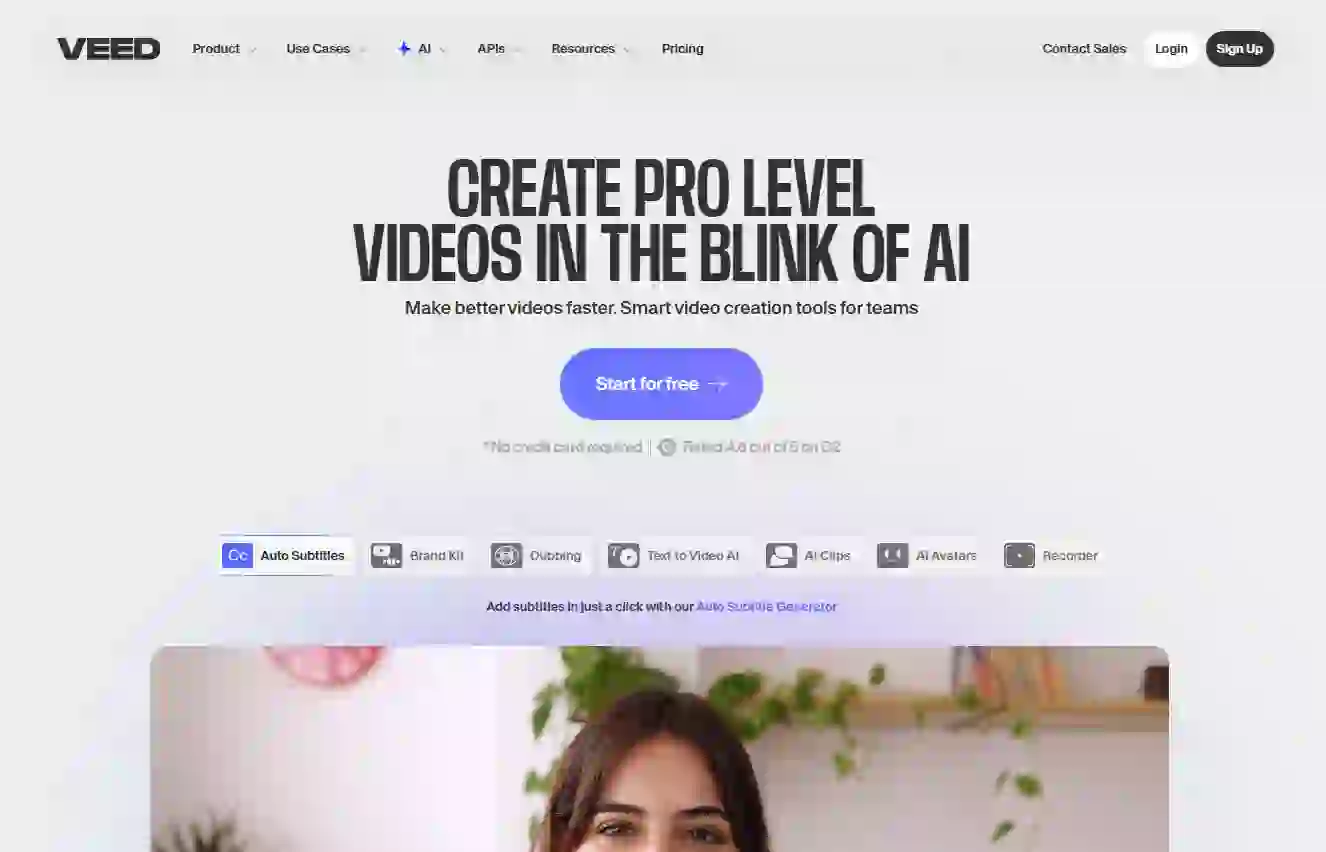
First, generate the original captions. Then, use the built-in ai translate subtitles function. You can translate them into dozens of languages. You can also customise the subtitle style. Do you need one platform for everything? Veed.io handles the process from editing to publishing. It is an excellent choice. It makes ai translate subtitles a natural part of your workflow.
For a quick visual guide on how simple these online platforms can be, this YouTube video on translating videos in 1 minute walks you through the speed and ease of using cloud-based subtitle translators. (How to Translate Videos in 1 Minute)
How to Translate Videos in 1 Minute
YouTube Video
5.2 Ai Subtitle Translator
Unlike Veed.io, Ai Subtitle Translator is a focused tool. It is professional-grade. It does not offer video editing features. Instead, it perfects the ai translate subtitles task. It focuses on efficiency and accuracy.
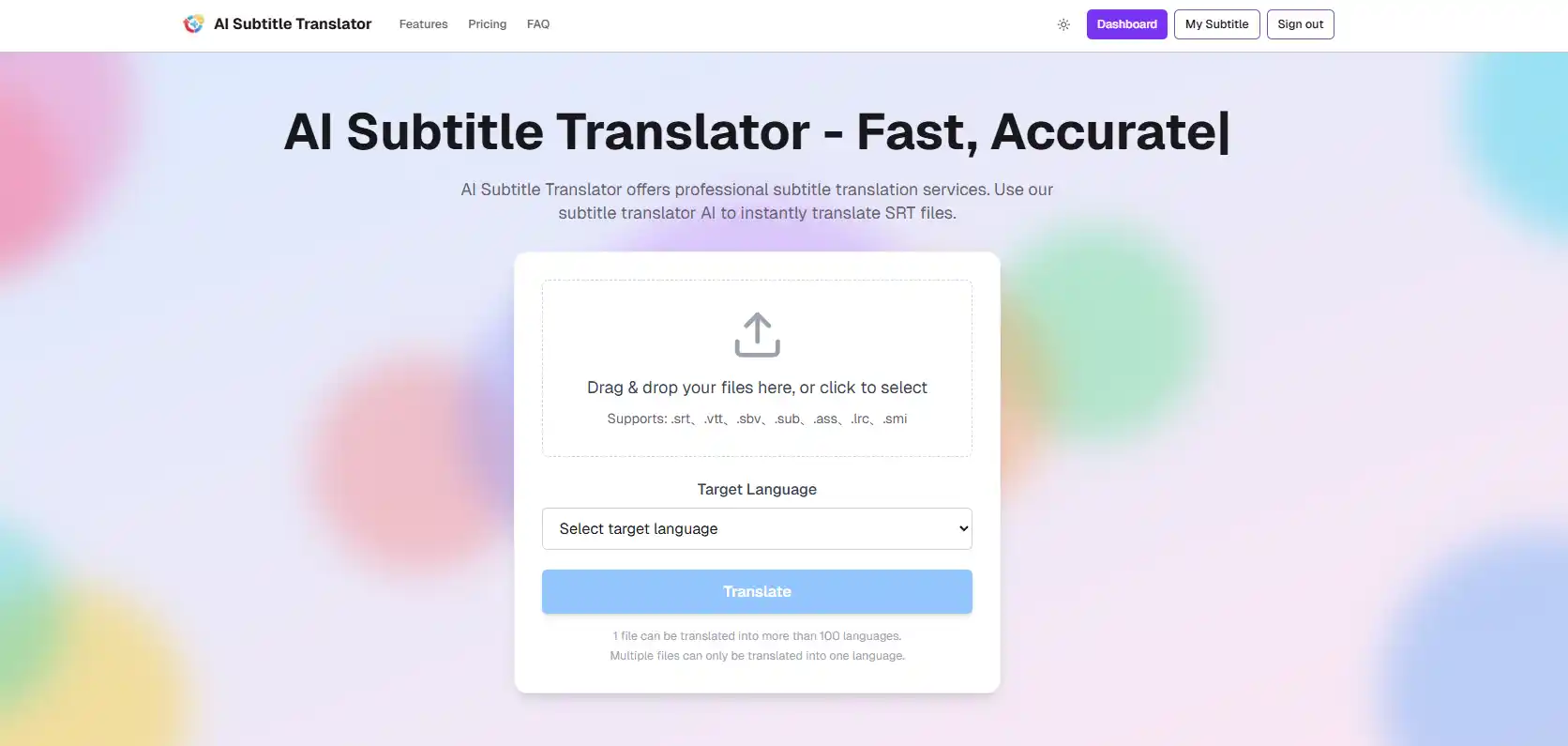
Its strength lies in batch processing. You can upload many SRT or VTT files at once. You can translate them into over 100 languages. The tool uses the latest NMT engines. This ensures high translation quality. This is the perfect ai translate subtitles solution for users with many files. It helps if you need to process them fast.
Are you a professional translator? Perhaps you are part of a team or a business. If you need to translate SRT file at scale, this tool is for you. It focuses on doing one thing well. It handles ai translate subtitles.
It utilizes advanced language models to quickly generate high-quality multilingual subtitles for you. It supports batch processing and various file formats, accurately preserving timelines, making it an ideal tool for content creators to expand their global audience and break language barriers to ai translate subtitles. (Utilize this powerful AI-driven subtitle translator to convert captions)
It also allows users to seamlessly convert between common formats like SRT, VTT, and ASS without login or download, processing quickly online. (Seamlessly convert your subtitle files between popular formats) With built-in online subtitle editing features, you can directly modify text content internally and preview in real-time. (Edit and fine-tune your translated subtitles directly)
5.3 Rev
The industry knows Rev for top-tier transcription quality. It offers a hybrid video translation service. It combines AI technology with human review. Developers trained Rev's AI engine on professional data. It achieves over 90% accuracy in automated transcription.
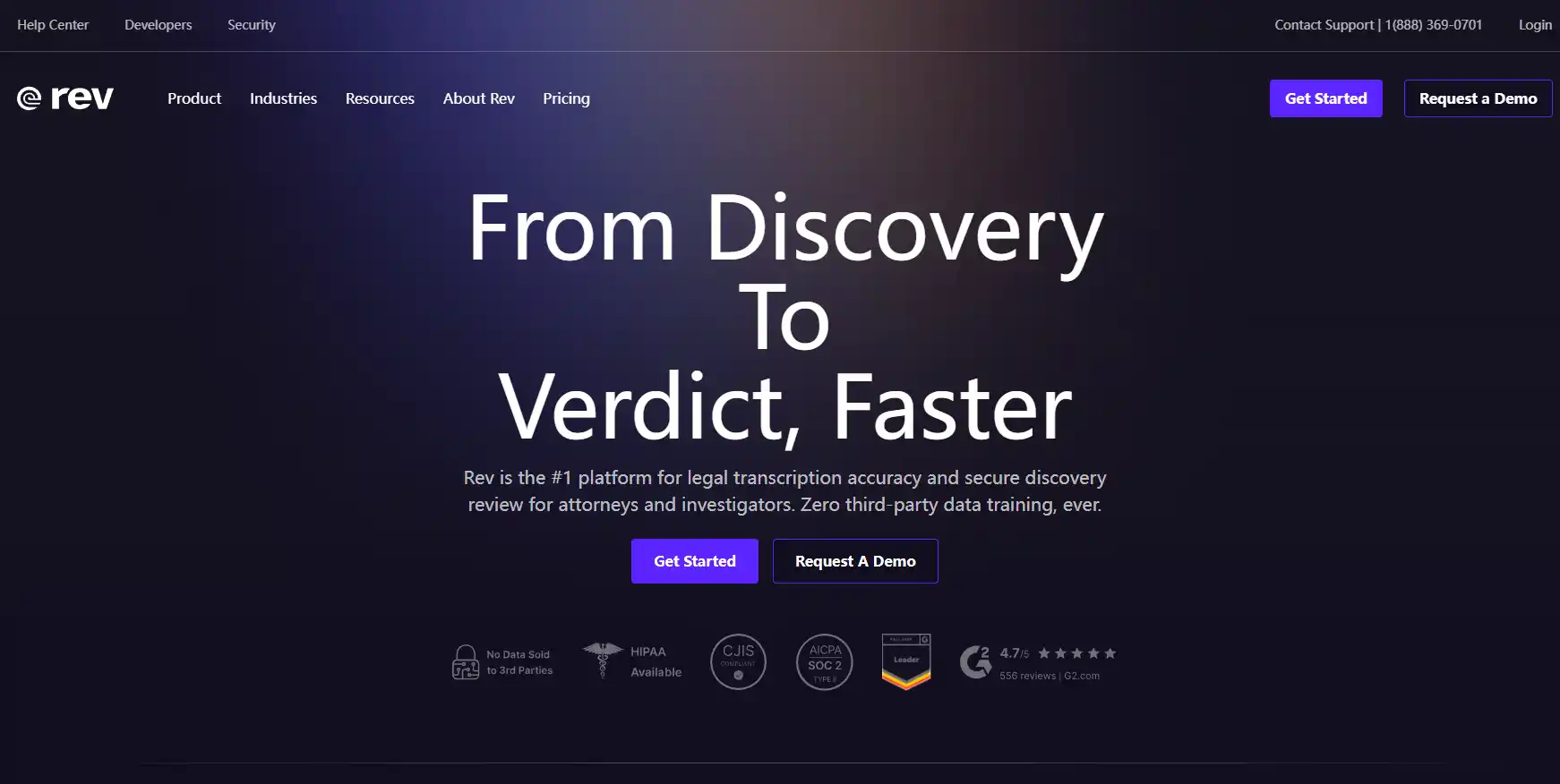
This provides a clean foundation for the next step. Then, the ai translate subtitles process begins. You can also add a human review service. This achieves near-100% accuracy.
Some projects demand the highest quality. They have zero tolerance for errors. Rev is the definitive choice for these businesses. You might want flawless AI video localisation. You may need more than a quick ai translate subtitles job. Rev provides a reliable guarantee.
6.Embrace AI and Make Your Story Borderless
We have seen that ai translate subtitles technology is intelligent. It is more than it appears on the surface. It is no longer a simple word replacer. It protects timecodes precisely. It understands context deeply. It accelerates your global video workflow.
You understand these four surprising facts. You can now distinguish between good and bad tools. This knowledge helps you filter out ineffective translators. You can find a helpful ai translate subtitles partner. This boosts your efficiency. It expands your content's global reach.

Your content deserves a professional presentation. You now have an expert's perspective. Go ahead and try one of the recommended tools.
Experience the change AI brings to your videos. What language will you choose? Tell us in the comments below. Start your new ai translate subtitles journey today.