
How Great Subtitling Translation Can Increase Your Video Engagement by up to 60%
The frustration of a high-effort video failing to connect is a story too many creators know well. The surprising culprit often isn't the content. Instead, it is a crucial element that 90% of creators overlook: high-quality subtitling translation.
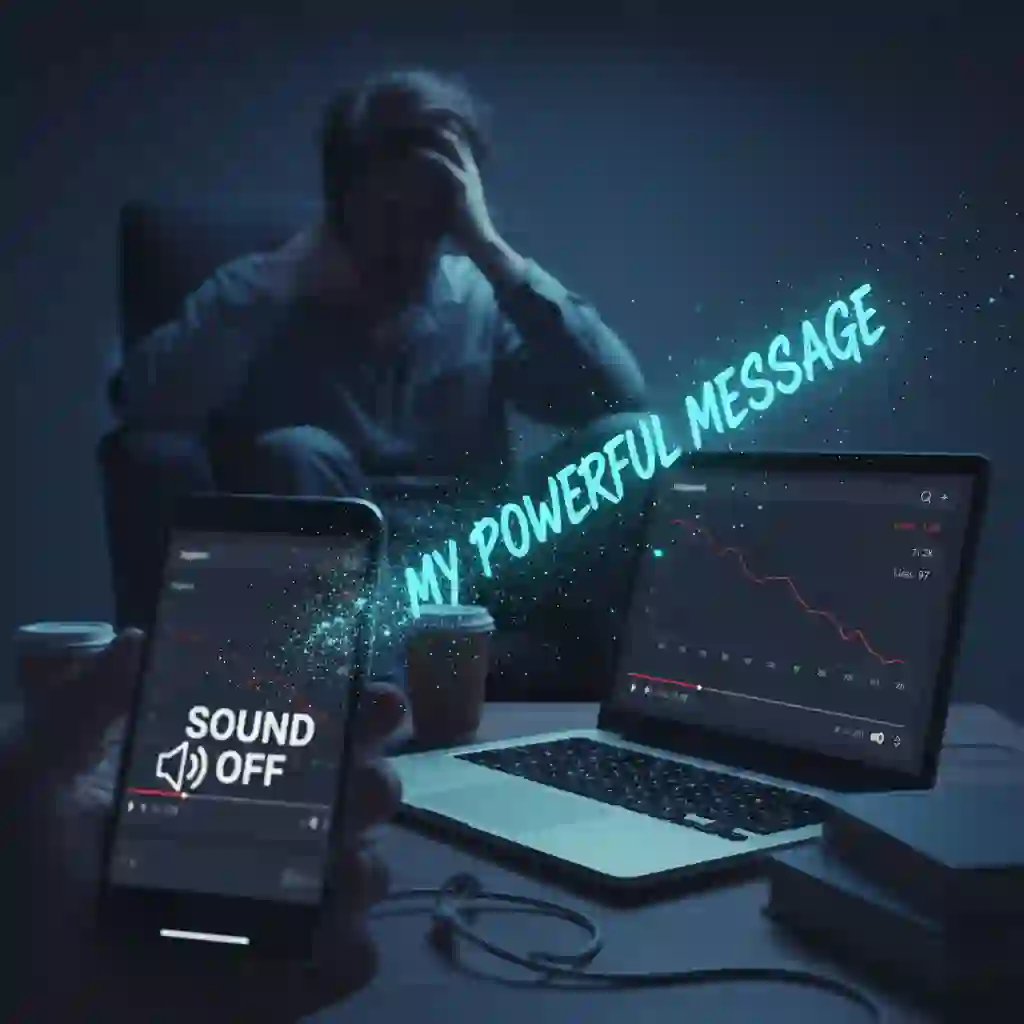
Consider this staggering fact: up to 85% of social media videos are now watched with the sound off. This silent majority represents a vast, untapped audience.
Without precise subtitling, your powerful message gets lost. It fails before it even has a chance to land.
This guide aims to change how you view subtitles. We will explore proven strategies. These show how excellent subtitling translation can increase your video engagement by up to 60%. It is about transforming a simple text layer into a powerful growth tool.
By the end, you will have a clear roadmap. We will walk you through practical, step-by-step processes for creating compelling subtitles. You will also learn which tools to use and which common pitfalls to avoid.
This isn't just about adding words to a screen. It involves unlocking global reach. It enhances accessibility. It also maximizes the return on your creative investment. Are you ready to unlock the true potential of your video content?
1.Beyond Words: Why High-Quality Subtitling Translation is Key to Boosting Engagement
Many people view subtitling translation as a simple add-on to a video, but this perspective is outdated. In today's digital landscape, it is a core strategic tool that can make or break your content's success.
High-quality subtitling translation influences user behavior. It affects comprehension and the willingness to engage. This makes it far more critical than you might think.
1.1 Capturing the "Silent Viewer": Adapting to the New Norm of Social Media
Modern viewing habits have changed. Research from Verizon Media shows a staggering fact. About 92% of mobile users watch videos with the sound off. Your video might lack subtitles. If so, the vast majority of your audience will miss your core message.
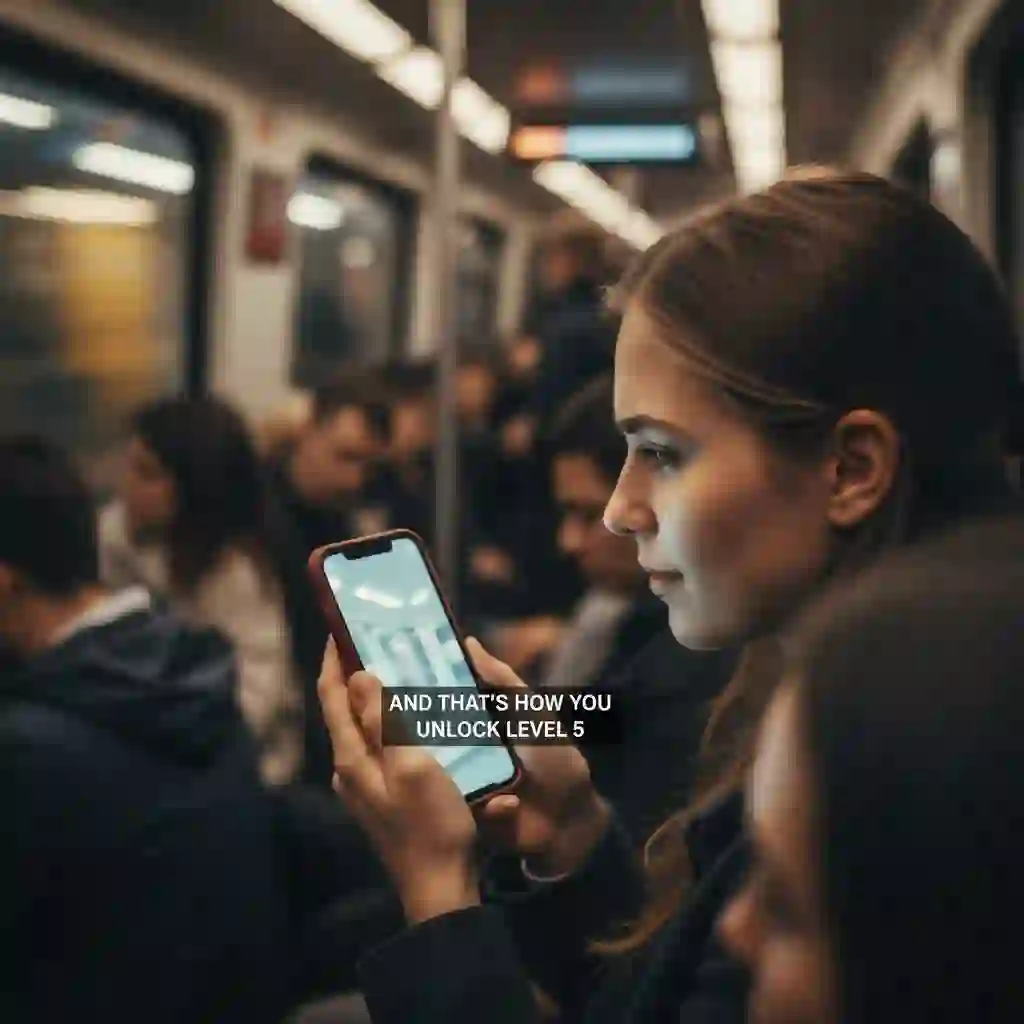
We are in a silent-first environment. Here, subtitling translation becomes the only bridge connecting you to your viewers. It ensures your content is understood.
It works whether someone is in a quiet office or on a noisy train. An excellent subtitling translation grabs the attention of these "silent viewers." It encourages them to stay. It makes them watch longer.
In fact, creators often discuss this phenomenon on forums. For example, in this Reddit thread about subtitle interaction, professionals agree that subtitles are crucial for retaining mobile audiences who scroll with sound off, and high-quality subtitling translation plays a key role in this process. (How could I get into translating subtitles)
1.2 Enhancing Accessibility and Comprehension
Inclusivity is a hallmark of great content. Professional subtitling translation improves accessibility. It allows individuals who are deaf or hard of hearing to consume your content. They can do so without barriers. This expands your audience. It also reflects positively on your brand's social responsibility.

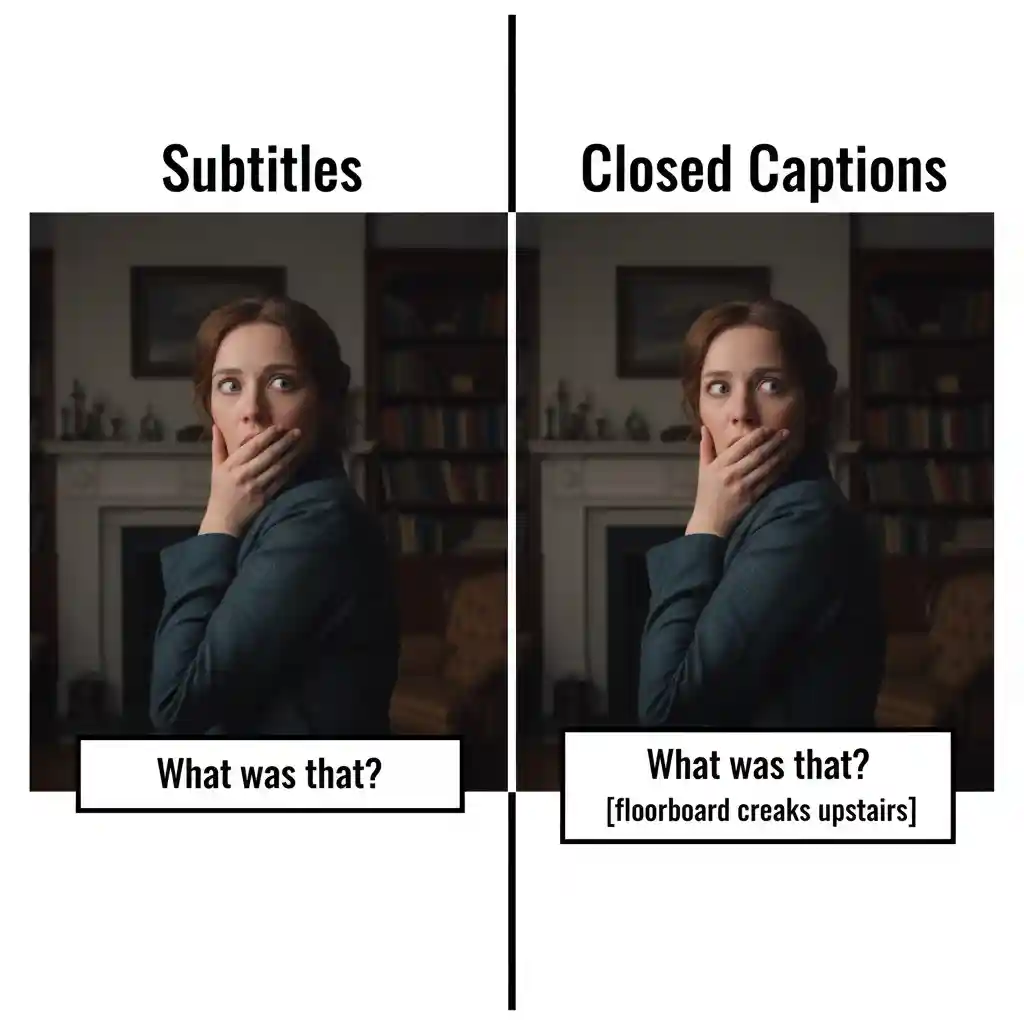
It is essential to note the subtle difference from closed caption translation. The latter also describes crucial non-speech audio cues. These include [music], [laughter], or [applause]. This provides a more complete experience.
Ultimately, both practices are central to audiovisual translation. This field aims to deliver information barrier-free to everyone.
1.3 Breaking Language Barriers for True Video Localization
Do not confine your content's potential to a single language. When you translate subtitles, you easily distribute your videos globally. This is a low-cost, high-reward strategy for international growth. An accurate subtitling translation helps you reach hundreds of millions of new potential viewers.
YouTuber MrBeast is a prime example. He provided multilingual subtitles and dubs. This enabled him to enter Spanish-, Russian-, and Portuguese-speaking markets. The result was exponential growth in viewership.
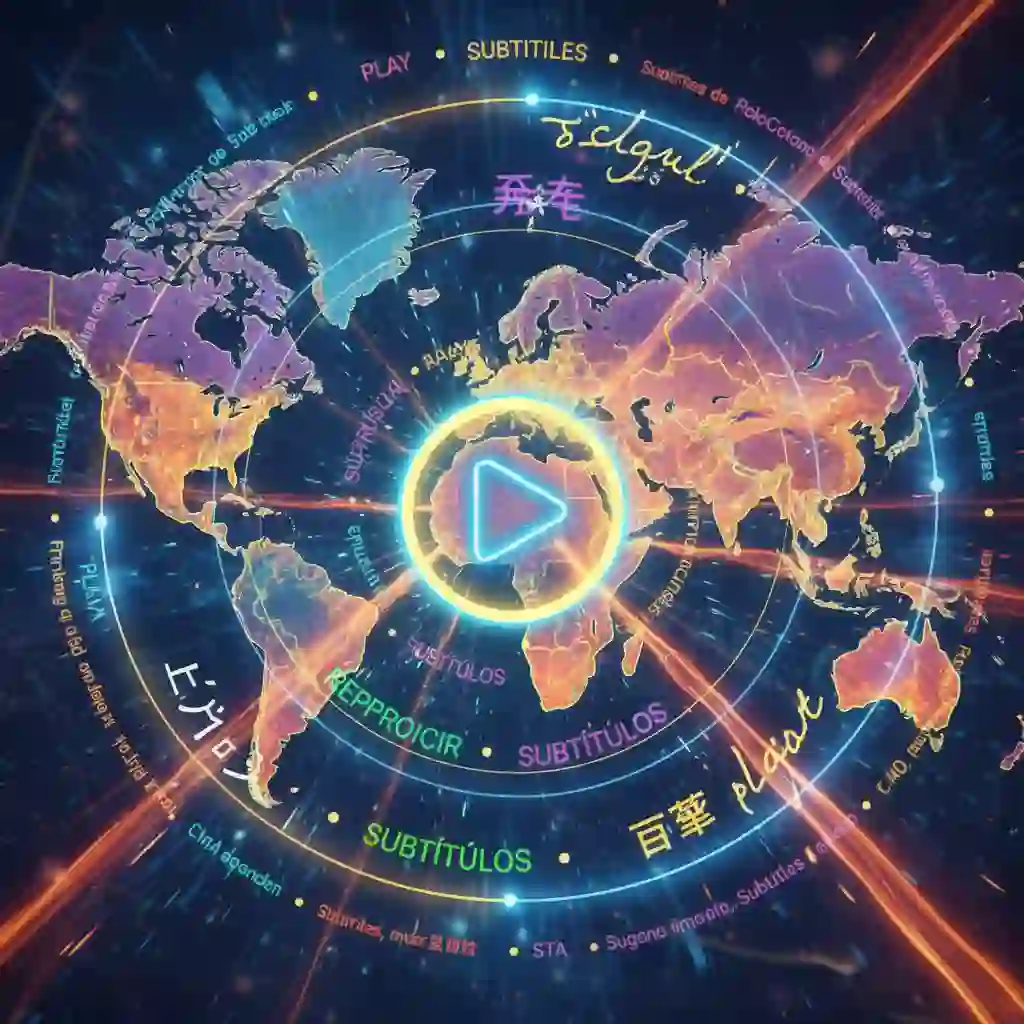
This demonstrates the immense power of video localization. It is more than just words. It is a cultural adaptation. Professional subtitle translation services are key to achieving this.
To see the future of this technology, check out this TikTok video about real-time subtitle glasses. It demonstrates how technology breaks down language barriers in the real world, just as you aim to do through your video content with the help of effective subtitling translation. (TranscribeGlass can subtitle conversations in nearly real time)
TranscribeGlass can subtitle conversations in nearly real time
TikTok Video
1.4 Boosting Search Engine Optimization (SEO): Helping Google Discover Your Video
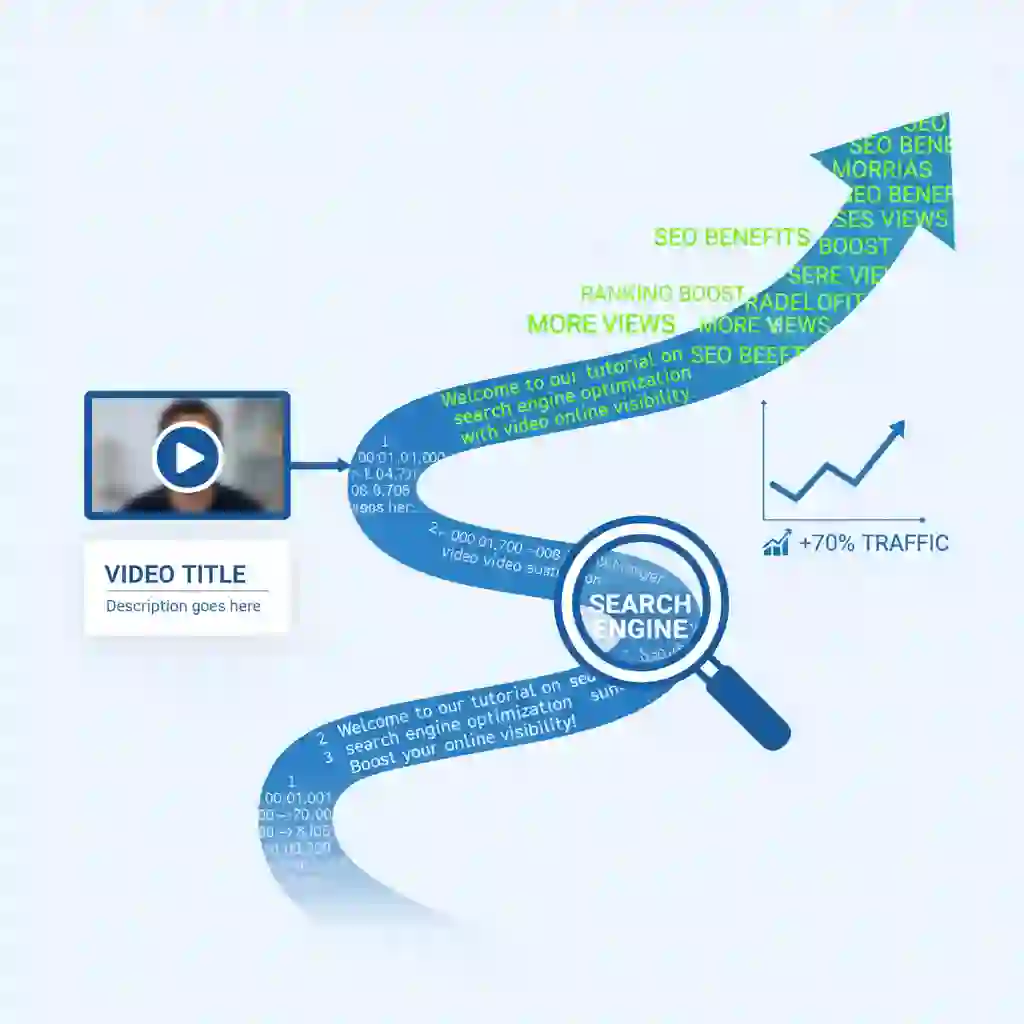
Search engines cannot "watch" a video, but they can read text. When you upload a video with a subtitle file (like an .SRT file), you provide a full transcript. Search engines can crawl this text.
Every word within that subtitling translation becomes a searchable keyword. Therefore, a detailed subtitling translation can boost your video's ranking on Google and YouTube.
This drives consistent, free organic traffic. It allows new audiences to discover your content. They might find it months or even years after its initial release.
2.The Three Pillars of Quality Subtitling Translation: Accuracy, Authenticity, and Readability
Not all subtitling translation is equal. A low-quality job can harm the viewer's experience. You want to leverage its power to boost engagement.
So, excellent subtitling translation must rest on three core pillars. These are absolute accuracy, deep cultural authenticity, and effortless readability.
2.1 Pillar One: Accuracy That Goes Beyond 99%
Accuracy is the foundation of subtitling translation. However, it means more than getting the words right. It requires a deep understanding of context.
You must make wise choices between literal and idiomatic translation. Do not rely solely on an automated subtitle translator. That is a primary cause of translation disasters.
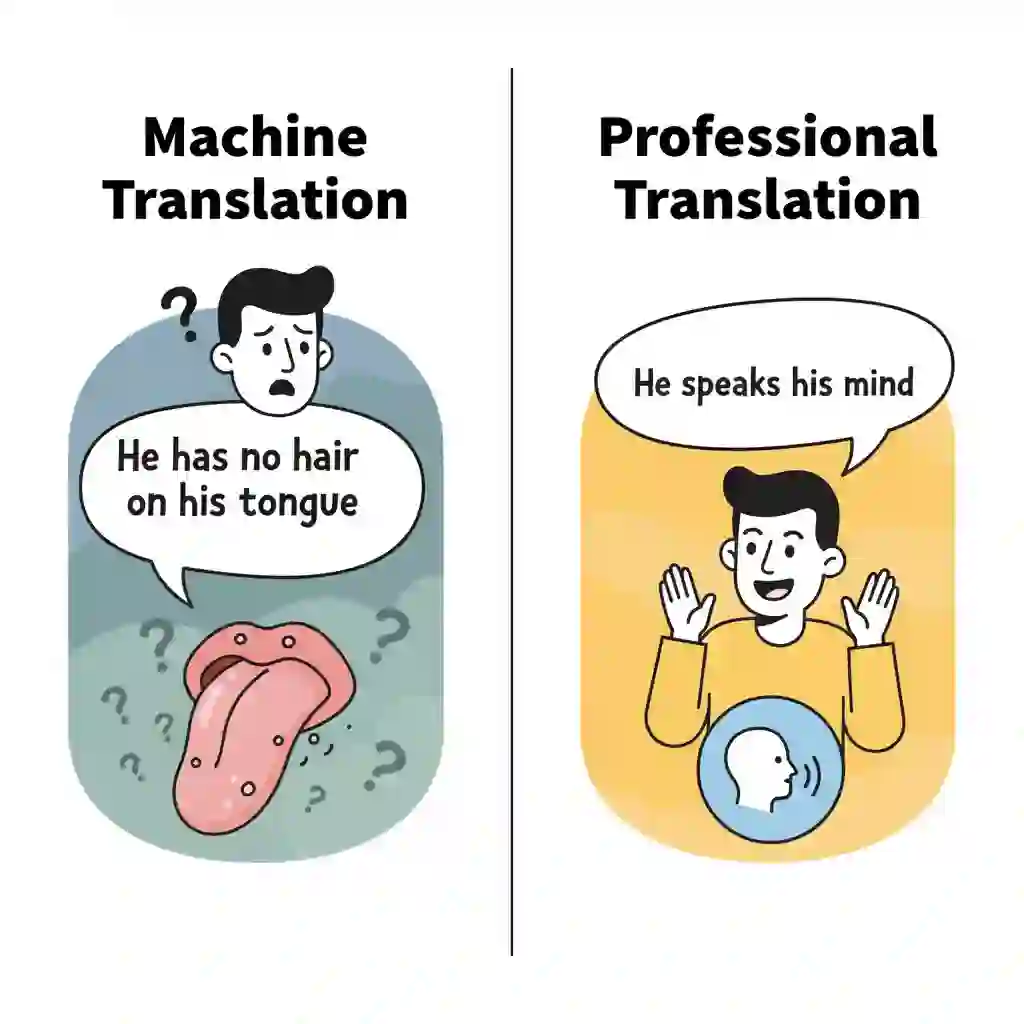
These tools might handle simple sentences. Yet, they fail to grasp slang, puns, or technical jargon. Take the Spanish idiom, "No tener pelos en la lengua." A poor machine translation might render it as "He doesn't have hair on his tongue."
This leaves viewers confused. A professional subtitling translation conveys the true meaning: "He speaks his mind." This captures the original intent perfectly.
Strive for this level of deep accuracy. It is the first step that separates amateur work from professional subtitling translation. A single mistake can distort the entire message.
2.2 Pillar Two: Authentic Video Localization and Cultural Adaptation
Accuracy is the foundation. Authenticity makes a subtitling translation connect with an audience. This is the core of video localization. It demands that the translation moves beyond language into the cultural sphere.
A successful subtitling translation should feel native. It should seem created for the local audience.
This includes adapting units of measurement (miles vs. kilometers) and currencies. It also includes cultural references. The animated film Shrek is a classic example.
The original version contained many American pop culture references. These would be unknown in other countries.

During the video localization process, the creative teams replaced these jokes. They used local celebrities and gags familiar to each target market. This meticulous cultural adaptation is advanced.
It is a form of high-quality subtitling translation. It is also the secret to winning over a global audience.
2.3 Pillar Three: Technical Standards for a Seamless Viewing Experience
A perfect translation of subtitles should be invisible. The audience should absorb the information naturally. They should not notice the subtitles. Achieving this requires strict technical standards. This is a fundamental skill in professional audiovisual translation.
Two of the most critical metrics are CPL (Characters Per Line) and CPS (Characters Per Second). CPL rules ensure that a single line of text is not too long.
This prevents excessive eye movement. CPS ensures the text remains on screen long enough to read. It disappears before it becomes distracting.
Furthermore, precise timing is essential. Subtitles must sync with the audio and on-screen action. Any delay shatters the viewer's immersion.
These technical details distinguish professional services. They are the final guardrails ensuring the quality of the final subtitling translation.
To master these technical aspects, watching a guide can be extremely helpful. This Aegisub subtitling YouTube tutorial will walk you through the precise timing and format control required to meet professional standards. (How to make SUBTITLES for your Films with Aegisub)
How to make SUBTITLES for your Films with Aegisub
YouTube Video
3.Hands-on Guide: 4 Steps to Complete Your First Subtitling Translation Project
Enough with the theory. It is time to put it into practice. Creating a high-quality subtitling translation is not intimidating. Follow a straightforward, structured process. Then, anyone can complete a professional subtitling translation project. This chapter provides a simple, four-step guide to get you started.
3.1 Step 1: Get an Accurate Source-Language Transcript
The first step of any subtitling translation project is crucial. Obtain a 100% accurate transcript of the original audio. This transcript is the foundation for all translation work. If the source is flawed, the translation will be too.
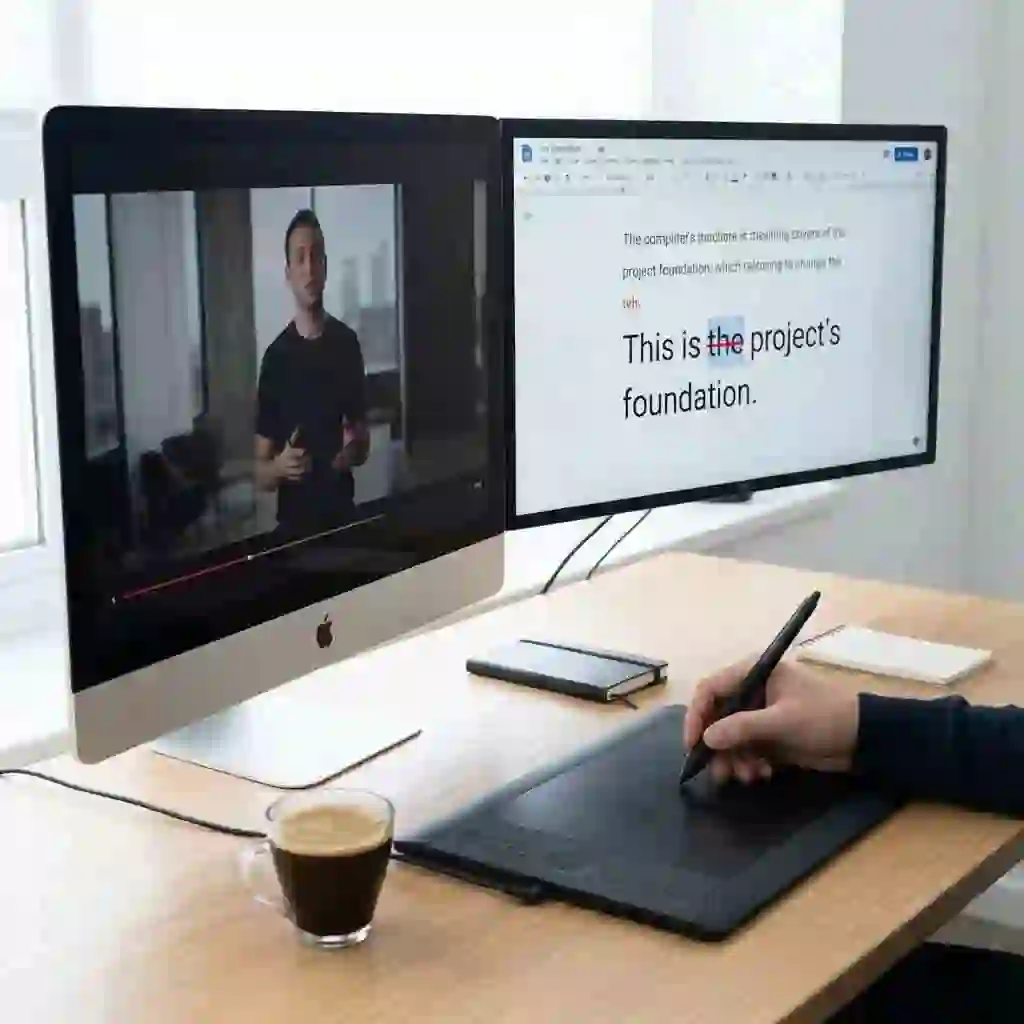
You have two main options. The first is manual transcription. It is the most accurate but very time-consuming. The second is using an AI tool to auto-generate the text. This saves a significant amount of time. However, you must proofread any machine-generated transcript. You need to correct recognition errors.
If you are unfamiliar with this step, this video about automatic subtitling translation provides a quick tutorial on how to generate and verify transcripts using widely available tools. (How to Translate YouTube Videos)
How to Translate YouTube Videos
YouTube Video
3.2 Step 2: Choose the Right Translation Strategy and Tools
You have an accurate transcript. Now, decide how to translate it. This decision depends on your budget, timeline, and quality requirements. Your choice here impacts the quality of the final subtitling translation.
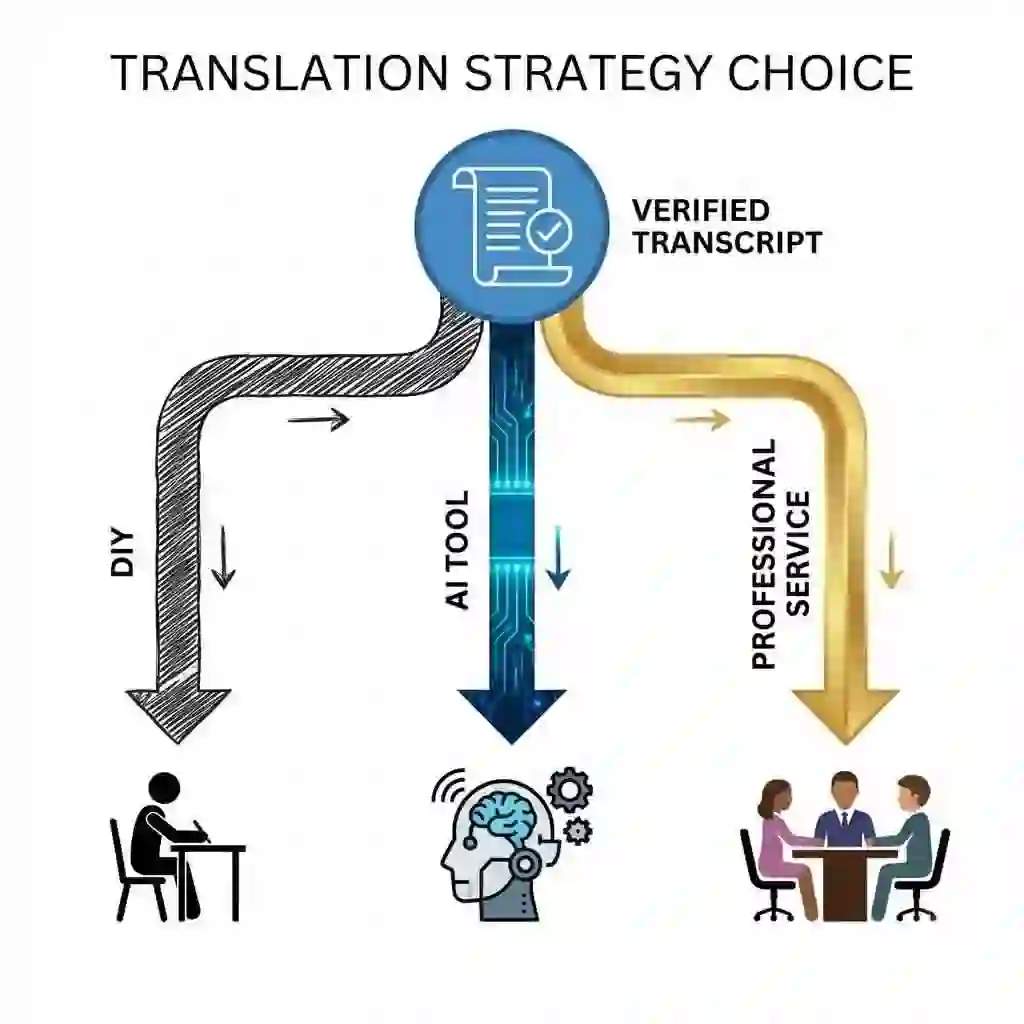
There are three basic paths. Are you fluent in both languages? If so, you can do it yourself. For less critical projects on a tight budget, use an online subtitle translator. It can be a quick solution.
However, consider business or essential content. We recommend hiring professional services. This ensures quality and cultural relevance in your subtitling translation.
A simple rule of thumb: when quality is the top priority, choose a professional service. When speed is essential and minor errors are acceptable, a tool is a viable option.
The community often debates the best tools for completing this task, as seen in this Reddit discussion about subtitle software recommendations. Reading such posts can help you decide which software fits your budget and quality requirements for subtitling translation. (Any recommendations for translation/subtitle services)
3.3 Step 3: Translation and Proofreading: The Core of Translating Subtitles
This is the heart of the process. When you translate subtitles, focus on conciseness. Subtitles are not essays. Sentences should be short and direct. This allows for quick reading. Break longer sentences down into several shorter subtitle cues.

Finish the first draft. Then, proofreading is non-negotiable. Have a native speaker of the target language review the translation if possible. They can catch subtle mistakes and awkward phrasing. A non-native speaker might miss these. This review elevates your subtitling translation to a professional level. It is a vital step for great results.
3.4 Step 4: Timing and Formatting: Handling Your Translated SRT File
The final step is technical. Place your translated text into a subtitle file. The most common format is .SRT. Ensure each line syncs well with the video audio. A typical SRT entry contains a number, a timecode, and the text itself.
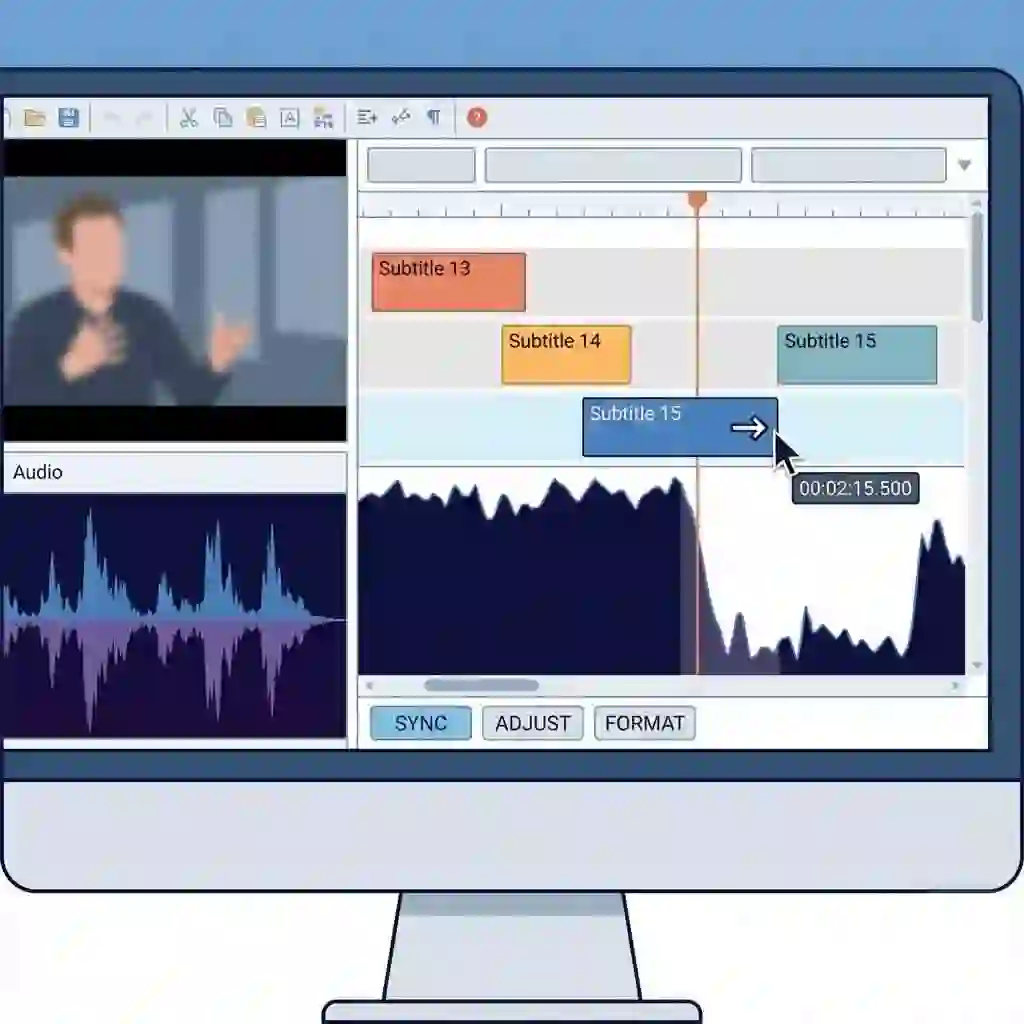
You need specialized software for this. Aegisub is a powerful, free tool. It offers granular control over timing and styling. It is perfect for those who want precision.
Another efficient tool is the Ai Subtitle Translator.It translates SRT file content directly via uploads. It also supports batch processing. This speeds up the workflow. Once you finish this step, your first high-quality subtitling translation project is complete.
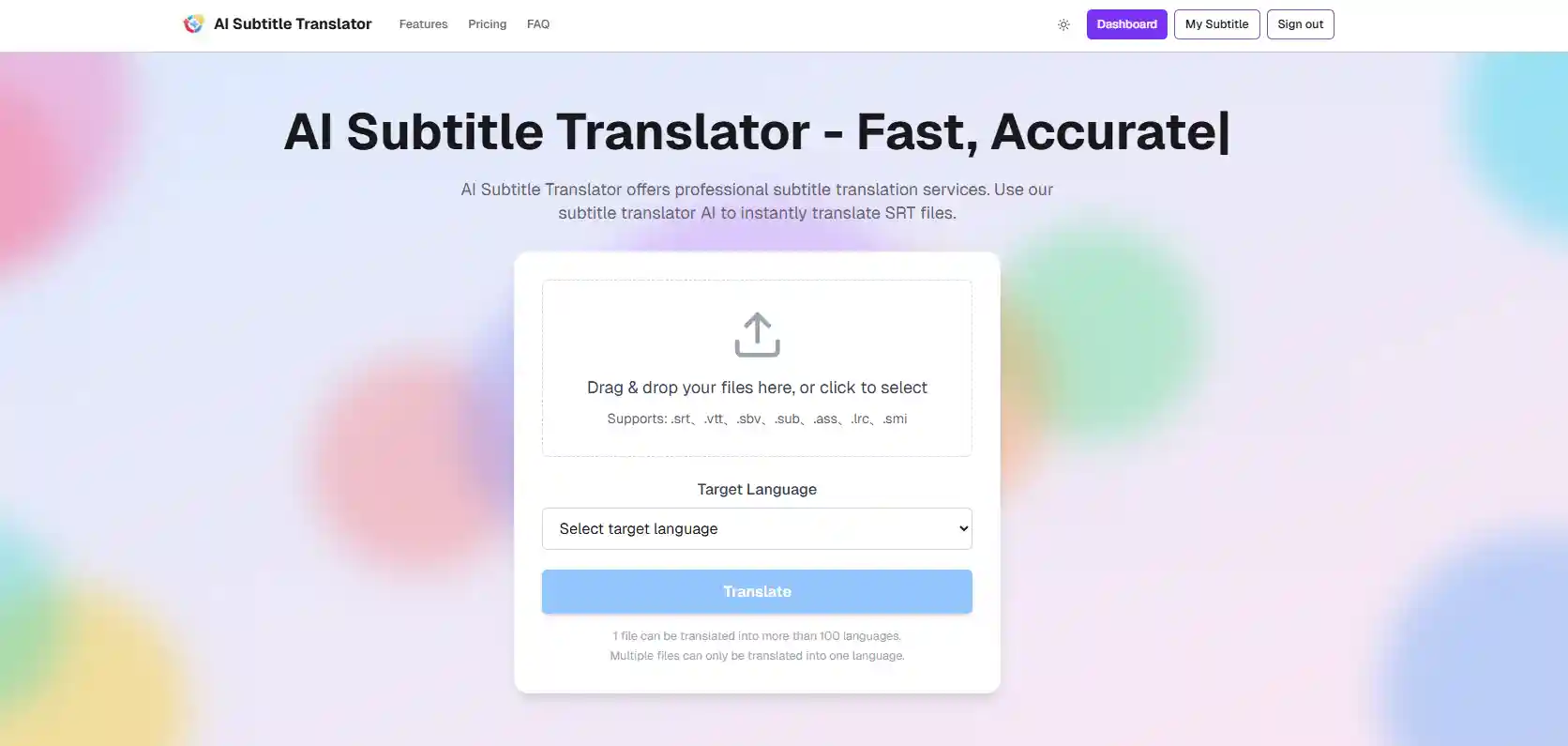
This is an online AI subtitle translation tool that supports batch translation, allowing you to quickly and accurately translate your subtitle files into multiple languages while maintaining contextual consistency, helping content creators effortlessly reach global audiences. (Instantly translate your video subtitles into multiple languages) It features a built-in subtitle file converter that allows users to seamlessly convert between common formats like SRT, VTT, and ASS. No login or download required; process files quickly online. (Seamlessly convert your subtitle files between popular formats)
4.Avoid These 4 Common Traps to Double Your Subtitling Translation Effectiveness
In the world of subtitling translation, knowing what not to do is crucial. It is as important as knowing what to do. Common, avoidable mistakes often undermine the impact of great videos. Avoid the following four traps. This will elevate the quality of your subtitling translation.
4.1 Trap 1: 100% Relying on an AI Subtitle Translator Without Human Review
AI subtitle translator tools make generation faster than ever. However, relying on them entirely is a major pitfall. AI cannot grasp the nuances of human language. It misses subtle emotions, sarcasm, humor, and cultural context.
An automated translator might translate word-for-word. Yet, it often misses the speaker's actual intent. Use AI only as an efficiency tool. A final human review is non-negotiable. It ensures the quality of the subtitling translation.
4.2 Trap 2: Confusing Subtitling Translation with Closed Caption Translation
This is a common point of confusion. However, the two serve different audiences and functions. Understand their distinction. It is key to providing the exemplary service. Subtitling translation is for viewers who can hear the audio but do not understand the language. Its main goal is to cross a language barrier.
In contrast, closed caption translation (CC) helps viewers who are deaf or hard of hearing. It includes dialogue. It also describes crucial audio cues like [music], [laughter], or [phone rings]. This helps the audience understand the whole scene.
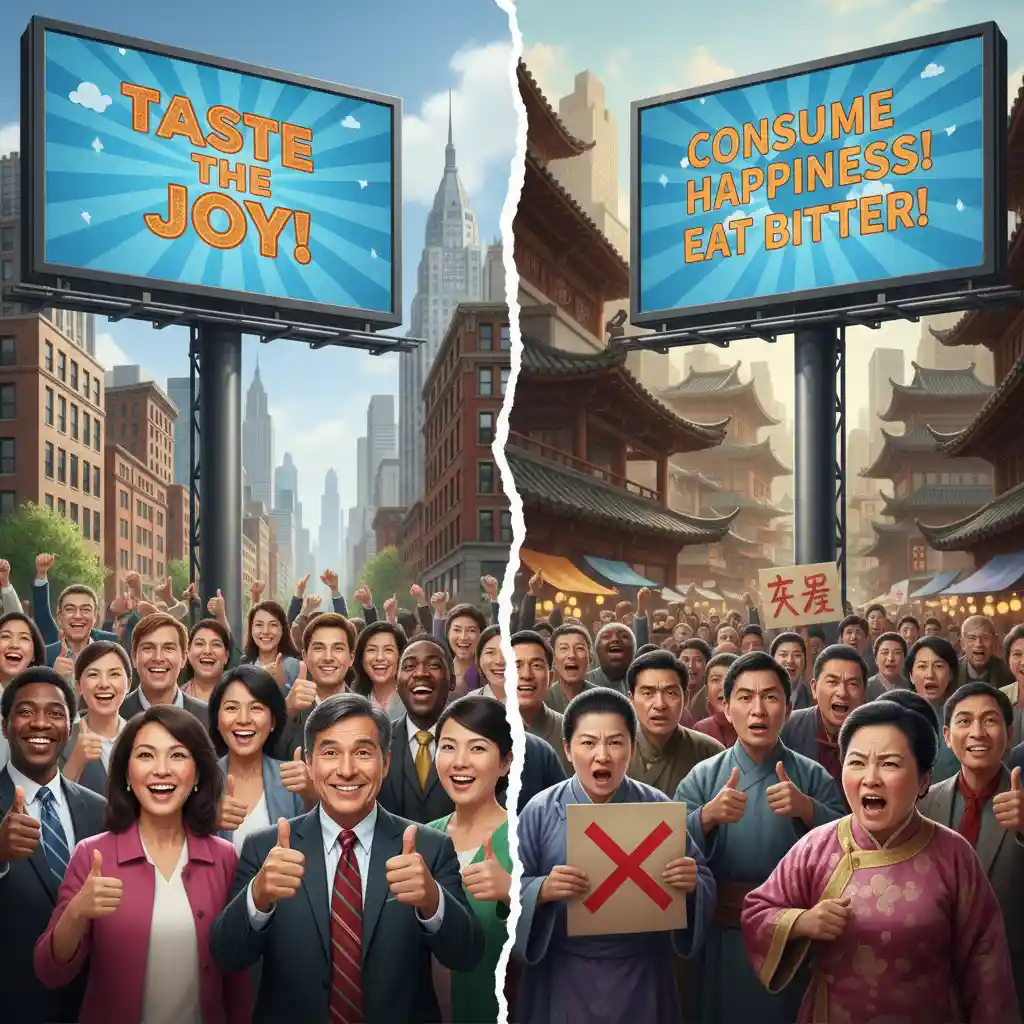
4.3 Trap 3: Ignoring Cultural Taboos, Leading to Failed Video Localization
A successful advertisement in one country can become a PR disaster in another. This happens due to poor subtitling translation. Creators often ignore cultural adaptation. This fails video localization.
Consider a famous cautionary tale. A major brand had an invigorating slogan. It translated into a phrase with an unsettling double meaning in a new market.
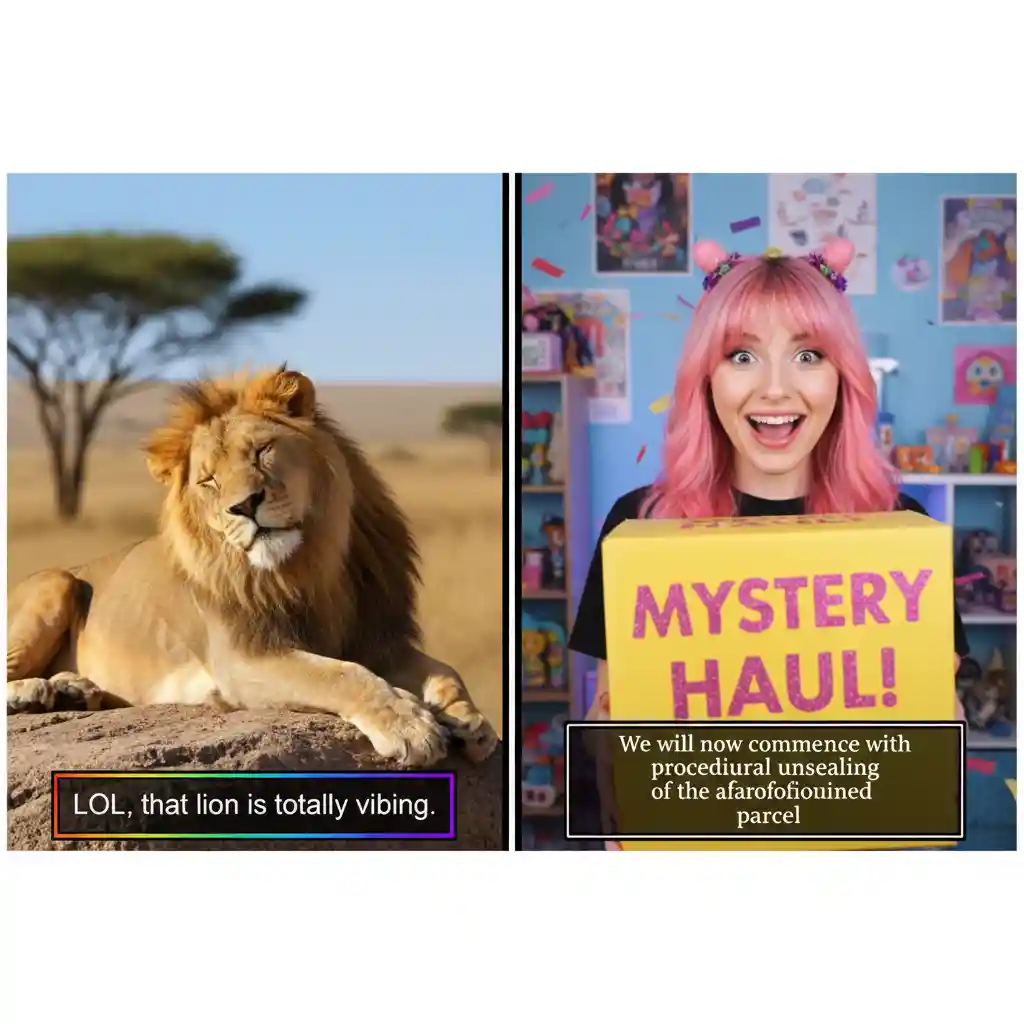
This caused a widespread backlash. This highlights a key rule. Any subtitling translation effort must understand the target market's culture. You must know their customs and taboos.
4.4 Trap 4: Mismatching the Subtitle Style with the Video's Tone
Subtitles do not just carry information. They are part of the video's style. A frequent mistake is using the same flat language across all content types.

Imagine a serious scientific documentary. If the subtitling translation uses internet slang, it comes across as unprofessional. Now, picture a lighthearted vlog. Formal, academic subtitles would feel jarring. They seem out of place. The language style of the subtitles must match the video's tone. This creates an immersive viewing experience.
| Trap Strategy | Description | Consequence |
|---|---|---|
| Relying 100% on AI | Using automated tools without valid human proofreading. | Misses nuances, humour, and cultural context. |
| Confusing Subtitling with CC | Using subtitles for deaf audiences or vice versa without knowing the difference. | Alienates specific audience needs; confusing user experience. |
| Ignoring Cultural Taboos | Literal translation without checking local customs or taboos. | PR disasters, offensive content, and failed localization. |
| Mismatching Tone | Using formal language for casual videos or slang for serious ones. | Breaks immersion and feels unprofessional. |
5.Take Action Now: Unlock Your Video's Potential with Subtitling Translation
High-quality subtitling translation is far more than simple text conversion. It serves as a powerful lever to boost accessibility. It helps your content cross cultural and linguistic divides. This tool transforms casual viewers into loyal fans.
You understand its impact on engagement. You have mastered a practical four-step workflow. You also know which common mistakes to avoid. Now, you know how to maximize your video's influence. It is time to turn that knowledge into results.
Do not let your excellent content get buried. The world often watches in silence. Make it a priority to add a professional subtitling translation to your very next video. This small change makes a critical difference.
Publish your video. Then, use analytics tools to track changes in watch time and audience retention. The significant return on this small investment in subtitling translation will amaze you. Take action now. Unleash your content's true global potential.
Reference:
12 Best Subtitle Translation Tools (100+ Languages)
Subtitling vs. Dubbing: Choosing the Right Approach for Your Videos